Showing posts with label South America. Show all posts

11/01/2013

Machu Picchu

[ . BACK to Worldkigo TOP . ]
:::::::::::::::::::::::::::::::::::::::::::::::::::::::::::::::::::::::::::::::::::::::::::::::::::::

- SOUTH AMERICAN SAIJIKI -

:::::::::::::::::::::::::::::::::::::::::::::::::::::::::::::::::::::::::::::::::::::::::::::::::::::

Machu Picchu

***** Location: Peru
***** Season: Topic
***** Category: Earth


*****************************
Explanation

Machu Picchu (in hispanicized spelling,
or Machu Pikchu (Quechua machu old, old person, pikchu pyramid; mountain or prominence with a broad base which ends in sharp peaks, "old peak", is a 15th-century Inca site located 2,430 metres (7,970 ft) above sea level.


It is located in the Cusco Region, Urubamba Province, Machupicchu District in Peru. It is situated on a mountain ridge above the Sacred Valley which is 80 kilometres (50 mi) northwest of Cusco and through which the Urubamba River flows. Most archaeologists believe that Machu Picchu was built as an estate for the Inca emperor Pachacuti (1438–1472). Often referred to as the "Lost City of the Incas", it is perhaps the most familiar icon of Inca civilization.
© More in the WIKIPEDIA !


:::::::::::::::::::::::::::::::::::::::::::::::::::::::::::::::::::::::::::::::::::::::::::::::::::::


*****************************
Worldwide use


*****************************
Things found on the way


*****************************
HAIKU


close to God
build among the cliffs
city of the Incas

lost city
of Inca civilization
among the cliffs


- Shared by Gennady Nov -
Haiku Culture Magazine, 2013


:::::::::::::::::::::::::::::::::::::::::::::::::::::::::::::::::::::::::::::::::::::::::::::::::::::


I was young then
climbing into thin air
Machu Piccu


published in Multiverses 1.1, 2012
- Shared by Freddy Ben-Arroyo -
Haiku Culture Magazine, 2013


*****************************
Related words

. Join ! WKD on facebook .


***** SOUTH AMERICAN SAIJIKI

[ . BACK to WORLDKIGO . TOP . ]
::::::::::::::::::::::::::::::::::::::::::::::::::::::::::::::::::::::::::::::::::::::::::::::::::::: 

1/18/2013

Patagonia

[ . BACK to Worldkigo TOP . ]
:::::::::::::::::::::::::::::::::::::::::::::::::::::::::::::::::::::::::::::::::::::::::::::::::::::

SOUTH AMERICAN SAIJIKI

:::::::::::::::::::::::::::::::::::::::::::::::::::::::::::::::::::::::::::::::::::::::::::::::::::::

Patagonia

***** Location: South America
***** Season: Topic
***** Category: Earth


*****************************
Explanation


Patagonia is a region located at the southern end of South America, territory shared by Argentina and Chile, boasting some of the most dramatic landscapes on Earth.


The region comprises the southern section of the Andes mountains to the southwest towards the Pacific ocean and from the east of the mountain range to the valleys it follows the Colorado River south towards Carmen de Patagones in the Atlantic Ocean. To the west, it includes the territory of Valdivia through Tierra del Fuego archipelago.

© More in the WIKIPEDIA !


:::::::::::::::::::::::::::::::::::::::::::::::::::::::::::::::::::::::::::::::::::::::::::::::::::::


Parque Nacional Los Glaciares
(Spanish: The Glaciers)
is a national park in the Santa Cruz Province, in Argentine Patagonia. It comprises an area of 4459 km². In 1981 it was declared a World Heritage Site by UNESCO.

The national park, created in 1937, is the second largest in Argentina. Its name refers to the giant ice cap in the Andes range that feeds 47 large glaciers, of which only 13 flow towards the Atlantic Ocean. The ice cap is the largest outside of Antarctica and Greenland. In other parts of the world, glaciers start at a height of at least 2,500 meters above mean sea level, but due to the size of the ice cap, these glaciers begin at only 1,500m, sliding down to 200m AMSL, eroding the surface of the mountains that support them.
© More in the WIKIPEDIA !


*****************************
Worldwide use


パタゴニア Patagonia


*****************************
Things found on the way


*****************************
HAIKU


Photo Luca Galuzzi (http://www.galuzzi.it/) Creative Commons 2.5

summer in Patagonia
from the upper deck
an ocean of lead


- Shared by Jimmy ThePeach -
Joys of Japan, 2012


:::::::::::::::::::::::::::::::::::::::::::::::::::::::::::::::::::::::::::::::::::::::::::::::::::::


Patagonia Haiku ...

cloudy blue green sky
swimming in viridian
endless enchantment


ms lume

LOOK at the photo here on flickr
source : www.flickr.com


*****************************
Related words

***** . THE SOUTH AMERICAN SAIJIKI .


[ . BACK to WORLDKIGO . TOP . ]
:::::::::::::::::::::::::::::::::::::::::::::::::::::::::::::::::::::::::::::::::::::::::::::::::::::

6/19/2010

Lake Titicaca

[ . BACK to Worldkigo TOP . ]

:::::::::::::::::::::::::::::::::::::::::::::::::::::::::::::::::::::::::::::::::::::::::::::::::::::

SOUTH AMERICAN SAIJIKI

:::::::::::::::::::::::::::::::::::::::::::::::::::::::::::::::::::::::::::::::::::::::::::::::::::::

Lake Titicaca

***** Location: Peru / Bolivia
***** Season: Topic
***** Category: Earth


*****************************
Explanation


CLICK for more photos

Lake Titicaca
is a lake located on the border of Peru and Bolivia. It sits 3,812 m (12,500 ft) above sea level, making it the highest commercially navigable lake in the world. By volume of water, it is also the largest lake in South America.

The lake is located at the northern end of the endorheic Altiplano basin high in the Andes on the border of Peru and Bolivia. The western part of the lake lies within the Puno Region of Peru, and the eastern side is located in the Bolivian La Paz Department.

The origin of the name Titicaca is unknown. It has been translated as "Rock Puma", allegedly for its resembling the shape of a puma hunting a rabbit, combining words from the local languages Quechua and Aymara, and as well as translated as "Crag of Lead." Locally, the lake goes by several names. Because the southeast quarter of the lake is separate from the main body (connected only by the Strait of Tiquina), the Bolivians call it Lago Huiñaymarca (Quechua: Wiñay Marka) and the larger part Lago Chucuito. In Peru, these smaller and larger parts are referred to as Lago Pequeño and Lago Grande, respectively.

© More in the WIKIPEDIA !


:::::::::::::::::::::::::::::::::::::::::::::::::::::::::::::::::::::::::::::::::::::::::::::::::::::


*****************************
Worldwide use


Titikakasee

*****************************
Things found on the way


*****************************
HAIKU


短夜のルーペでさがすチチカカ湖 
mijikayo no rûpe de sagasu chichikaka-ko  

short summer night
looking for Lake Titicaca
with a loupe


Manabe Kureo 真鍋呉夫

source : Tr. Fay Aoyagi


*****************************
Related words


***** SOUTH AMERICAN SAIJIKI

:::::::::::::::::::::::::::::::::::::::::::::::::::::::::::::::::::::::::::::::::::::::::::::::::::

. Place Names and Haiku  
The WORLD


Back to the Worldkigo Index
http://worldkigodatabase.blogspot.com/

:::::::::::::::::::::::::::::::::::::::::::::::::::::::::::::::::::::::::::::::::::::::::::::::::::::

11/24/2009

Jonestown

[ . BACK to TOP . ]

:::::::::::::::::::::::::::::::::::::::::::::::::::::::::::::::::::::::::::::::::::::::::::::::::::::

SOUTH AMERICAN SAIJIKI

:::::::::::::::::::::::::::::::::::::::::::::::::::::::::::::::::::::::::::::::::::::::::::::::::::::

Jonestown

***** Location: Guyana
***** Season: Wet season
***** Category: Humanity


*****************************
Explanation


On November 18,1978, 914 persons (American and Guyanese)including children were forced to drink cyanide poison in a fruit drink by Pastor Jones the leader of an American religious cult People's Temple which set up base in the hinterland of Guyana, Port Kaituma.
They were well armed.The cult was under investigation by US state department and a Senator leading the investigation was shot dead by members of the cult; then the poisoning took place. This incident is forever in the memories of Guyanese at this time and this year a Memorial plaque was built to commemorate it. School children laid teddy bears on the site in memory of the children who died.

Kenneth Daniels (Guyana)


. . . CLICK here for Photos !


:::::::::::::::::::::::::::::::::::::::::::::::::::::::::::::::::::::::::::::::::::::::::::::::::::::


Jonestown was the informal name for the "Peoples Temple Agricultural Project", an intentional community in northwestern Guyana formed by the Peoples Temple, an American cult led by Jim Jones

© More in the WIKIPEDIA !


*****************************
Worldwide use


*****************************
Things found on the way


*****************************
HAIKU


teddy bears
laid at the dismal site
Jonestown


© kenneth daniels (GY)
Kigo Hotline


*****************************
Related words


***** SOUTH AMERICAN SAIJIKI

:::::::::::::::::::::::::::::::::::::::::::::::::::::::::::::::::::::::::::::::::::::::::::::::::::

Back to the Worldkigo Index
http://worldkigodatabase.blogspot.com/

:::::::::::::::::::::::::::::::::::::::::::::::::::::::::::::::::::::::::::::::::::::::::::::::::::::

11/09/2009

Eid-ul-Adha

[ . BACK to TOP . ]

:::::::::::::::::::::::::::::::::::::::::::::::::::::::::::::::::::::::::::::::::::::::::::::::::::::

SOUTH AMERICAN SAIJIKI

:::::::::::::::::::::::::::::::::::::::::::::::::::::::::::::::::::::::::::::::::::::::::::::::::::::

Eid-ul-Adha

***** Location: Guyana
***** Season: Topic
***** Category: Humanity


*****************************
Explanation

Eid al-Adha
"Festival of Sacrifice" or "Greater Eid" is a Muslim Holiday celebrated by Muslims (including the Druze) worldwide to commemorate the willingness of Ibrahim to sacrifice his son Ismael as an act of obedience to God.

Eid al-Adha is the latter of two Eid festivals celebrated by Muslims, whose basis comes from the Quran. Like Eid al-Fitr, Eid al-Adha begins with a short prayer followed by a sermon.

Eid al-Adha annually falls on the 10th day of the month of Dhul Hijja of the lunar Islamic calendar. The festivities last for three days or more depending on the country. Eid al-Adha occurs the day after the pilgrims conducting Hajj, the annual pilgrimage to Mecca in Saudi Arabia by Muslims worldwide, descend from Mount Arafat. It happens to be approximately 70 days after the end of the month of Ramadan.

The Arabic term "Festival of Sacrifice", was borrowed as a unit into Indic languages such as Hindi, Urdu, Gujarati and Bengali and Austronesian languages such as Malay and Indonesian.

© More in the WIKIPEDIA !


. . . CLICK here for Photos !


:::::::::::::::::::::::::::::::::::::::::::::::::::::::::::::::::::::::::::::::::::::::::::::::::::::


Like Ramadan, this is a very important festival to the Muslim world.
Since it changes according to the lunar calendar, we could call it a

"Kigo that changes with the lunar calendar".


It is not a kigo for "all seasons", since it only happens
during one season in one year, not in all seasons of one year.


*****************************
Worldwide use

Yemen


lorries crammed with sheep
yet they are baaing ...
Eid-ul-Adha


Heike Gewi, Yemen

YEMEN SAIJIKI


*****************************
Things found on the way


*****************************
HAIKU


The Festival of Sacrifice in remembrance of Prophet Abrahim,s in God Faith is an holiday in Guyana and celebrated each by year by Muslims.

bread for breakfast
with butter,cheese and milk
Abrahim's Faith


© kenneth daniels (GY)
celebrated November 28,2009
Kigo Hotline, November 2009


*****************************
Related words

Ramadan

Idd ul Fitr (Ramadan ends) Kenya. Eid Al-Fitr, Eid ul-Fitr


***** SOUTH AMERICAN SAIJIKI

:::::::::::::::::::::::::::::::::::::::::::::::::::::::::::::::::::::::::::::::::::::::::::::::::::

Back to the Worldkigo Index
http://worldkigodatabase.blogspot.com/

:::::::::::::::::::::::::::::::::::::::::::::::::::::::::::::::::::::::::::::::::::::::::::::::::::::

8/01/2009

Emancipation Day

[ . BACK to TOP . ]

:::::::::::::::::::::::::::::::::::::::::::::::::::::::::::::::::::::::::::::::::::::::::::::::::::::

SOUTH AMERICAN SAIJIKI

:::::::::::::::::::::::::::::::::::::::::::::::::::::::::::::::::::::::::::::::::::::::::::::::::::::

Emancipation Day

***** Location: Guyana
***** Season: Dry Season
***** Category: Observance


*****************************
Explanation

1st August in Guyana is celebrated every year as Emancipation Day for the African slaves in 1838. There are cultural events everywhere. Traditional african ceremonies, games , cuisine, dance and drumming all on display.

kenneth daniels (GY)

:::::::::::::::::::::::::::::::::::::::::::::::::::::::::::::::::::::::::::::::::::::::::::::::::::::


Emancipation Day is celebrated in various locations throughout the Americas on various dates in observation of the emancipation of slaves of African origin. It is also observed in other areas in regard to the abolition of serfdom or other forms of servitude.

Freedom Day as it was earlier called.
Out of the abolition came the villages, the struggle of the trade union movement, the opening of the hinterland through the pork knockers, and the evolution of the Civil Service and artesian shops. Emancipation initiated indentured labor, the system that brought Portuguese, Chinese, and East Indians to Guyana
© More in the WIKIPEDIA !


Culture of Guyana
More in the WIKIPEDIA !


. . . CLICK here for Photos !


:::::::::::::::::::::::::::::::::::::::::::::::::::::::::::::::::::::::::::::::::::::::::::::::::::::


*****************************
Worldwide use


Emancipation Day
Trinidad and Tobago


*****************************
Things found on the way


konki is a small cake made of pumpkin and cornmeal boiled in a banana leaf tied around it with a thin strap of the same leaf.

Metem-gi is provisions boiled in coconut milk.

Fu-fu is boiled green plantains mashed in a mortar ( a wooden block with a wide hole on one side ) and a pestle (a heavy stick used for beating the plantain in the hole).

Mauby is a traditional african drink showcased at this time.

It is made with sugar and the bark and/or fruit of certain species in the Colubrina genus including Colubrina elliptica (also called behuco indio) and Colubrina arborescens, a small tree native to the northern Caribbean and south Florida.
MAUBY in the WIKIPEDIA !

kenneth daniels (GY)

:::::::::::::::::::::::::::::::::::::::::::::::::::::::::::::::::::::::::::::::::::::::::::::::::::::

Due to the climatic characteristics and geographical position, the most common plantations of Guyana are rice and sugar cane. Rice is also the staple of the Guyanese cuisine and it is eaten every day, combined with beans or meat and the poultry is among the most frequent dishes.

Basically, Guyanese people have 3 meals per day and the breakfast includes a traditional bread (which is home made) and animal products, like cheese, milk, eggs or butter. The dinner is a complex meal, which sometimes includes meat, assorted with rice as roti, cassava, bread or yams. Fish is also a common dish and it is mainly served at dinner in a curried style, as Guyanese food is sometimes spicy (curry and hot pepper are frequently used).

cassava juice

Mauby (also known as mavi in Puerto Rico, and mabi in Haiti and the Dominican Republic)

Festival Food
Due to the fact that there are more distinctive religions in Guyana, there are some dishes which are excluded on religious bases: the Muslims do not eat pork and the Hindus don’t eat beef. The ethnic diversity also lead to a number of festivals and celebrations during the year, like: Eid ul Fitr, Eid ul Azah, Youman Nabi, Phagwag, Deepavali, Easter, Christmas or Masharamani. The Masharamani festival is in fact a carnival whose name means “a job well done” and it takes place in February, for the days of the Republic. The most important dishes that are consumed on these occasions are the metagge, curry and roti, garlic Pork, dhol-puri and chow mein.

Reference : Guyanese Cuisine


*****************************
HAIKU


emancipation day -
konki, metem-gi, fu-fu
african drums too


© kenneth daniels (GY)
Kigo Hotline


*****************************
Related words


***** SOUTH AMERICAN SAIJIKI

:::::::::::::::::::::::::::::::::::::::::::::::::::::::::::::::::::::::::::::::::::::::::::::::::::

Back to the Worldkigo Index
http://worldkigodatabase.blogspot.com/

:::::::::::::::::::::::::::::::::::::::::::::::::::::::::::::::::::::::::::::::::::::::::::::::::::::

4/25/2008

Boi-Bumba Festival

[ . BACK to TOP . ]

:::::::::::::::::::::::::::::::::::::::::::::::::::::::::::::::::::::::::::::::::::::::::::::::::::::

BRAZIL SAIJIKI

:::::::::::::::::::::::::::::::::::::::::::::::::::::::::::::::::::::::::::::::::::::::::::::::::::::

Boi-Bumbá Festival

***** Location: Northern Brazil
***** Season: Dry Season (Winter)
***** Category: Observance


*****************************
Explanation

Boi-Bumbá Festival

In Amazonas, the boi-bumbá festival, as it is commonly known, is traditionally held during June. It specifically involves the figure of two rival bulls, called Caprichoso (Capricious, believed to have been created in 1913 by Lindolfo Monteverde), and Garantido (Guaranteed, believed to have been created in 1914 by José Furtado Belém and Emídio Rodrigues Vieira), identified by blue details (especially a star on its forehead) over black and red details (especially a heart on its forehead) over white, respectively.

These bulls excite thousands of admirers when they compete against each other for the best performance of their ritual presentations during the programmed parades. In carnival style, these presentations mix dance with the sound of effervescent music known as "toadas" (tunes), accompanied by allegories that add refinement to the show. Both bulls are reproduced bigger than their natural size, using fabric to cover their frames, while their movements are provided by a man with appropriate physical heft and fitness to ''wear'' the bull and make it dance during the whole show.

Bull festivals are quite common in several parts of Brazil. This tradition was brought to Amazonia by immigrants from northeastern Brazil, who came in search of rubber and its fantastic profits at the end of XIX century. The boi-bumbá legend can be told in several ways, but the most common involves two characters. The slave Catirina, who is pregnant, wants to eat the tongue of the most beautiful bull on the farm, that was the pride of its owner. She asks her husband, Pai Francisco, to kill the bull and bring its tongue to satisfy her desire. He attends the woman's request and is arrested by owner, who, with the healer's help tries to resuscitate the bull. Fortunately, the bull is revived, and everybody celebrates the event with parties. Today, each boi-bumbá festival tells this history with different nuances, enriched with other characters and tales.


Festivity in Parintins

It is in the city of Parintins, Amazonas, 420 km east of Manaus, that the bull festival became best known, because the region was one of the first to adopt large scale cattle production. When Caprichoso and Garantido compete they gather more than 50 thousand people, between locals and tourists. Their presentations last three days, usually the last three days of the month, and they are held in the "bumbódromo", a word where ´bumbá´ replaces "samba" in "sambódromo" from Rio de Janeiro´s carnival. The "bumbódromo" is a wide arena flanked by bleachers, private boxes and stands for the visitors, organizers and reporters, who arrive from across the country, especially Manaus; large numbers of river boats bring thousands from central Amazonia. This is because Parintins is on "Tupinambarana Isle", so named because it was populated by Tupinamba indians when it was discovered. It is necessary to guarantee tickets well in advance because of the festivity's popularity.

Although the groups competed locally, professional competition between Caprichoso and Garantido only began in 1966. In the past the competition was a simple traditional festivity and restricted to a small area, like a corral. Today it is a mega-event similar in quality to the carnival in Rio de Janeiro. So much exuberance, allied to the sponsorship of major companies, turned the boi-bumbá from Parintins into a nationally known folkloric manifestation of Northern Brazil.

Rosa Clement
April 2008

:::::::::::::::::::::::::::::::::::::::::::::::::::::::::::::::::::::::::::::::::::::::::::::::::::::

Boi-Bumbá Festival / further reference

CLICK for more photos


The Amazonian Ox Dance Festival:
An Anthropological Account

The analysis of this festival raises wide-ranging questions concerning the study of folklore and popular culture. In the Ox Dance's recent development, the Brazilian national media, the culture industry, tourism, government agencies, and different social groups have all participated in an expansion that, until now, has managed to preserve strong traditional characteristics.

Read the article HERE
© Maria-Laura Cavalcanti
Federal University of Rio de Janeiro, Brazil


*****************************
Worldwide use

Bull Festivals

*****************************
Things found on the way


*****************************
HAIKU


boi-bumbá
foreigners´ footprints dry
in the muddy path


Rosa Clement
Manaus, April 2008


*****************************
Related words

***** Bull Festivals

***** Brazil Saijiki

:::::::::::::::::::::::::::::::::::::::::::::::::::::::::::::::::::::::::::::::::::::::::::::::::::

Back to the Worldkigo Index
http://worldkigodatabase.blogspot.com/

:::::::::::::::::::::::::::::::::::::::::::::::::::::::::::::::::::::::::::::::::::::::::::::::::::::

12/20/2006

Southern Cross

[ . BACK to TOP . ]

:::::::::::::::::::::::::::::::::::::::::::::::::::::::::::::::::::::::::::::::::::::::::::::::::::::

Haiku below the Southern Cross

***** Location: Southern Hemisphere

*****************************
Explanation


Information about people and haiku events from the Southern Hemisphere


...................................................................................

...................................................................................
www.uq.edu.au/_School_Science_Lessons/year6.html


Thanks go to Linda Morey Papanicolaou from Haigaonline for the inspiration!

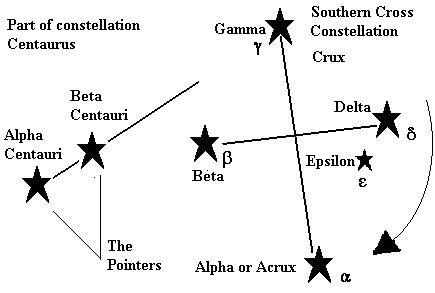
The Southern Cross (Crux) is that distinctive configuration of stars that we know on the flags of Australia, New Zealand, Brazil and many other Southern Hemisphere countries. It's an important constellation, always there if you live below 34° southern latitude, the stars of its vertical axis pointing the way to the South Pole.
haigaonline 7-2

:::::::::::::::::::::::::::::::::::::::::::::::::::::::::::::::::::::::::::::::::::::::::::::::::::::

Adjustments for Northern and Southern Hemisphere

If there is not specifical mention, a calendar reference kigo in the database refers to the Northern Hemisphere as its place of origin.
For the Southern Hemisphere, add six months.
December or short night are kigo for mid-summer in the Southern Hemisphere, for example.

For a calendar reference kigo originating in the Southern Hemisphere, add six months to get to its Northern counterpart.
These adjustments will not be mentioned specifically for each kigo.

Calendar reference kigo are for example the names of each month and then the many festivals of a specific date and the memorial days. Japanese haiku poets up from the North of Hokkaido down to the South of Okinawa have no problem when using DECEMBER as a kigo within the convention of writing haiku, for example.

Where ever you are, write haiku true to your situation and experience.
Haiku competitions should make adjustments by stating the place of composition for all submission.


:::::::::::::::::::::::::::::::::::::::::::::::::::::::::::::::::::::::::::::::::::::::::::::::::::::


Try your hand at the daily Wordwise and Haiku challenges, with great book prizes offered by Southern Cross University Press up for grabs each day.

 © Southern Cross University Press


************************************
Southern Hemisphere


:::::::::::::::::::::::::::::::::::::::::::::::::::::::::::::::::::::::::::::::::::::::::::::::::::::

Africa

Haiga by MOIRA RICHARDS, ZA, South Africa

see also Kenya Saijiki below.


:::::::::::::::::::::::::::::::::::::::::::::::::::::::::::::::::::::::::::::::::::::::::::::::::::::

Australia

WKD : Australian Saijiki


:::::::::::::::::::::::::::::::::::::::::::::::::::::::::::::::::::::::::::::::::::::::::::::::::::::

Brazil


South American Saijiki


:::::::::::::::::::::::::::::::::::::::::::::::::::::::::::::::::::::::::::::::::::::::::::::::::::::


Hawaii

poettree BLOG
Shanna Baldwin-Moore


WKD : Hawaii Saijiki


:::::::::::::::::::::::::::::::::::::::::::::::::::::::::::::::::::::::::::::::::::::::::::::::::::::

Kenya

Look at the Haiga from Kenya here !
 © Haiga Online Issue 7-2

WKD : Kenya, Africa and Tropical Saijiki


:::::::::::::::::::::::::::::::::::::::::::::::::::::::::::::::::::::::::::::::::::::::::::::::::::::

New Zealand

WKD : New Zealand


:::::::::::::::::::::::::::::::::::::::::::::::::::::::::::::::::::::::::::::::::::::::::::::::::::::

South America


SOUTH AMERICAN SAIJIKI


:::::::::::::::::::::::::::::::::::::::::::::::::::::::::::::::::::::::::::::::::::::::::::::::::::::

Trinidad and Tobago


Trinidad and Tobago Saijiki


:::::::::::::::::::::::::::::::::::::::::::::::::::::::::::::::::::::::::::::::::::::::::::::::::::::

Uruguay

Carlos Fleitas was born in Uruguay, South America and still resides there in Montevideo, which is Uruguay's capital city. He writes haiku, prose, and essays in both Spanish and English.

Read more here:
Carlos Fleitas


noche sin luna
marcha por el sendero
la Vía Láctea

Carlos, A diez kilómetros de Jose Ignacio
22 diciembre 2006.

:::::::::::::::::::::::::::::::::::::::::::::::::::::::::::::::::::::::::::::::::::::::::::::::::::::


*****************************
Things found on the way


*****************************
HAIKU


between Orion & Crux a jumbo's lights

—Ross Clark, Brisbane, Australia


...however a fulcrom
in this confused world:
the Southern Crox


Vasile Moldovan

http://tinywords.com/haiku/2006/12/19/

xxxxxxxxxxxxxxxxxxxxxxxxxxxxx

(under the Southern Cross)
by Gábor Terebess: Haiku in the Luggage

At night, don't look up —
the sky is the sky even
without the Great Bear.

Winter is summer,
snowless is your Christmas here,
as in Betlehem.


Please read the full sequence HERE !

xxxxxxxxxxxxxxxxxxxxxxxxxxxxx

southern cross-
a drover shares the universe
with his dog


john bird, australia
 © Wollumbin Haiku Workshop, 2006

xxxxxxxxxxxxxxxxxxxxxxxxxxxxx


...Yet, there is a fulcrom
in this solitary world:
the Southern Cross


Vasile Moldovan, Romania, 2007


:::::::::::::::::::::::::::::::::::::::::::::::::::::::::::::::::::::::::::::::::::::::::::::::::::


Back to the Worldkigo Index
http://worldkigodatabase.blogspot.com/

1/30/2005

South American SAIJIKI

[ . BACK to TOP . ]

:::::::::::::::::::::::::::::::::::::::::::::::::::::::::::::::::::::::::::::::::::::::::::::::::::::

THE SOUTH AMERICAN SAIJIKI

:::::::::::::::::::::::::::::::::::::::::::::::::::::::::::::::::::::::::::::::::::::::::::::::::::::

This saijiki is under construction.

CLICK for more reference

Dear Haiku poets from the region,

please help with your positive support, info and contributions!

It is difficult to re-plant the Japanese kigo concept in areas that have different seasonal aspects and no kigo culture.

A standard or rather many standards for seasons in South America to be used for regional kigo colletions is still under construction. It depends on the regional haiku poets and what they choose to write their poetry about.
Please contribute your aspects of existing kigo or new kigo you suggest for your area to help deepen the worldwide understanding of haiku poets for regional diversity.

It is a difficult undertaking, taking into consideration the various climate zones of the continent. Therefore this saijiki will come in many regional parts.

Apart from trying to find regional kigo, we also suggest to collect and specify topics (keywords) for the areas where haiku poets have started writing Japanese-style short poetry.

Your input is most necessary and greatly appreciated!

Gabi Greve, Japan
World Kigo Database


:::::::::::::::::::::::::::::::::::::::::::::::::::::::::::::::::::::::::::::::::::::::::::::::::::


Adjustments for Northern and Southern Hemisphere

If there is not specifical mention, a calendar reference kigo in the World Kigo Database refers to the Northern Hemisphere as its place of origin.
For the Southern Hemisphere, add six months.
December and short night are kigo for summer in the Southern Hemisphere, for example.

For a calendar reference kigo originating in the Southern Hemisphere, add six months to get to its Northern counterpart.
These adjustments will not be mentioned specifically for each kigo in the database.

Calendar reference kigo
are for example the names of each month and then the many festivals of a specific date and the memorial days.
Japanese haiku poets up from the North of Hokkaido down to the South of Okinawa have no problem when using DECEMBER as a kigo, for example, since kigo are conventions for writing poetry.
Haiku poets from South America are especially invited to contribute their aspects of moods and poetic allusions for each month in their area. What is your december like? Please let us know!


Officially, we do not use the months to define a season within the WKD, but roughly according to the Northern Hemisphere, you can expect these seasons in addition to the wet and dry seasons in the Southern Hemisphere:

Spring -- September, October, November
Summer -- December, January, February
Autumn (Fall) -- March, April, May
Winter -- June, July, August


Near the aequator, we have mostly two seasons

wet seasons are from April to July and November to January
dry seasons are from August to November and February to March.


:::::::::::::::::::::::::::::::::::::::::::::::::::::::::::::::::


Here are some short notes about the climate in South America, we might add more details as we go along.

Argentina
Wide climate variations from sub-tropical in the north of the country to sub-antartic in the South. Buenos Aires can be oppressively hot and humid December to March.

Brazil
There is a tropical rainy season in the Amazon basin area from April to July. In the rest of the country the dry season runs from May to October

Bolivia
Rain all year in the east of the country. Heavy rainfall from May to November in the high western plateau.

Chile
Winter rain fall in the southern coastal areas. On the pacific coast very dry weather in the desert.

Colombia


Guyana
Guyana has a subtropical climate with two wet seasons and two dry seasons. The wet seasons are from April to July and November to January while the dry seasons are from August to November and February to March.
Along the coastlands, each wet and dry period lasts about three months. (source : Kenneth Daniels, WKD Facebook)

Ecuador
The coast is hot with rainfall from December to May. The Dry season runs from June to October.

Paraguay
Can be hot, humid and oppressive from mid-December to March.

Peru
December to May is the wet season in mountain areas. Coastal areas hot and wet during December to May. June to November are cooler but on the coast expect high humidity but less rainfall.
© bptravel.tripod.com


more reference:
Seasons in South America


:::::::::::::::::::::::::::::::::::::::::::::::::::::::::::::::::::::::::::::::::::::::::::::::::::::


Haiku in South America

Haiku in South America
General Information


Countries

Brazil

Guyana

Peru

Uruguay


:::::::::::::::::::::::::::::::::::::::::::::::::::::::::::::::::::::::::::::::::::::::::::::::::::::


External LINKS

Asociación de Haiku de Navarra, Mar Ordóñez Castro
Haiku no michi

ANAKU Asociación Navarra de Haiku


I Jornada Literaria: "El corazón del Haiku"


:::::::::::::::::::::::::::::::::::::::::::::::::::::::::::::::::::::::::::::::::::::::::::::::::::::


CENTRAL AMERICA


. Guatemala .

:::::::::::::::::::::::::::::::::::::::::::::::::::::::::::::::::::::::::::::::::::::::::::::::::::::::


BACK TO TOP
SOUTH AMERICAN SAIJIKI


[ . BACK to WORLDKIGO . TOP . ]
:::::::::::::::::::::::::::::::::::::::::::::::::::::::::::::::::::::::::::::::::::::::::::::::::::::::

1/26/2005

South SPRING

[ . BACK to TOP . ]

:::::::::::::::::::::::::::::::::::::::::::::::::::::::::::::::::::::::::::::::::::::::::::::::::::::

THE SOUTH AMERICAN SAIJIKI

:::::::::::::::::::::::::::::::::::::::::::::::::::::::::::::::::::::::::::::::::::::::::::::::::::::

This saijiki is under construction.

SPRING


Jacaranda tree


Resurrection Sunday, Easter


:::::::::::::::::::::::::::::::::::::::::::::::::::::::::::::::::::::::::::::::::::::::::::::::::::::


BACK TO TOP
SOUTH AMERICAN SAIJIKI


Back to the Worldkigo Index
http://worldkigodatabase.blogspot.com/

:::::::::::::::::::::::::::::::::::::::::::::::::::::::::::::::::::::::::::::::::::::::::::::::::::::

1/24/2005

South SUMMER and WET

[ . BACK to TOP . ]

:::::::::::::::::::::::::::::::::::::::::::::::::::::::::::::::::::::::::::::::::::::::::::::::::::::

THE SOUTH AMERICAN SAIJIKI

:::::::::::::::::::::::::::::::::::::::::::::::::::::::::::::::::::::::::::::::::::::::::::::::::::::

This saijiki is under construction.

SUMMER (and WET)

Roughly corresponding to the months of December, January, February and the wet season in some parts.


Near the aequator, we have mostly two seasons
wet seasons are from April to July and November to January
dry seasons are from August to November and February to March.


Contributors

Kenneth Daniels (Guyana)


:::::::::::::::::::::::::::::::::::::::::::::::::::::::::::::::::::::::::::::::::::::::::::::::::::::


Ant, ants, fire ants


Candle fly, firefly, fireflies

Christmas

Cleaning the house at the end of the year
painting the house at the end of the year
(usually done for Christmas in Guyana)


Father's Day


Jonestown


June Bride


Puddle, puddles


:::::::::::::::::::::::::::::::::::::::::::::::::::::::::::::::::::::::::::::::::::::::::::::::::::::


sweat tops (sweater) are more noticable in our wet seasons

sweat top brand-
my master's words
embrace me

kenneth daniels (GY)


sweater, seetaa セーター
and other warm clothing as kigo in winter in Japan


:::::::::::::::::::::::::::::::::::::::::::::::::::::::::::::::::::::::::::::::::::::::::::::::::::::


trench clearing

trench clearing is a yearly regular activity in my country especially in the City of Georgetown(Capital) in prepartion and even during the wet seasons as the city is on the coastland below sea level.Floods are usual due to clogged drains.


trench clearing again
the worker sure needs
a good bath

trench clearing
the stuff on the sidewalk
had blocked the flow


kenneth daniels (GY)


... Rain Gutters Cleaning  North America. (eavestroughs)


:::::::::::::::::::::::::::::::::::::::::::::::::::::::::::::::::::::::::::::::::::::::::::::::::::::


BACK TO TOP
SOUTH AMERICAN SAIJIKI


Back to the Worldkigo Index
http://worldkigodatabase.blogspot.com/

:::::::::::::::::::::::::::::::::::::::::::::::::::::::::::::::::::::::::::::::::::::::::::::::::::::

1/22/2005

South AUTUMN

[ . BACK to TOP . ]

:::::::::::::::::::::::::::::::::::::::::::::::::::::::::::::::::::::::::::::::::::::::::::::::::::::

THE SOUTH AMERICAN SAIJIKI

:::::::::::::::::::::::::::::::::::::::::::::::::::::::::::::::::::::::::::::::::::::::::::::::::::::

This saijiki is under construction.

AUTUMN


:::::::::::::::::::::::::::::::::::::::::::::::::::::::::::::::::::::::::::::::::::::::::::::::::::::


BACK TO TOP
SOUTH AMERICAN SAIJIKI


Back to the Worldkigo Index
http://worldkigodatabase.blogspot.com/

:::::::::::::::::::::::::::::::::::::::::::::::::::::::::::::::::::::::::::::::::::::::::::::::::::::

1/20/2005

South WINTER and DRY

[ . BACK to TOP . ]

:::::::::::::::::::::::::::::::::::::::::::::::::::::::::::::::::::::::::::::::::::::::::::::::::::::

THE SOUTH AMERICAN SAIJIKI

:::::::::::::::::::::::::::::::::::::::::::::::::::::::::::::::::::::::::::::::::::::::::::::::::::::

This saijiki is under construction.

WINTER (and DRY)

Roughly corresponding to the months of June, July, August or the dry season in some areas.


Near the aequator, we have mostly two seasons
wet seasons are from April to July and November to January
dry seasons are from August to November and February to March.


:::::::::::::::::::::::::::::::::::::::::::::::::::::::::::::::::::::::::::::::::::::::::::::::::::::


Emancipation Day, Freedom Day Guyana
(August 1)


Boi-Bumbá Festival Northern Brazil

:::::::::::::::::::::::::::::::::::::::::::::::::::::::::::::::::::::::::::::::::::::::::::::::::::::


BACK TO TOP
SOUTH AMERICAN SAIJIKI


Back to the Worldkigo Index
http://worldkigodatabase.blogspot.com/

:::::::::::::::::::::::::::::::::::::::::::::::::::::::::::::::::::::::::::::::::::::::::::::::::::::

1/19/2005

South TOPICS

[ . BACK to TOP . ]

:::::::::::::::::::::::::::::::::::::::::::::::::::::::::::::::::::::::::::::::::::::::::::::::::::::

THE SOUTH AMERICAN SAIJIKI

:::::::::::::::::::::::::::::::::::::::::::::::::::::::::::::::::::::::::::::::::::::::::::::::::::::

This saijiki is under construction.

TOPICS for Haiku


Eid-ul-Adha : Festival of Sacrifice
Eid al-Adha annually falls on the 10th day of the month of Dhul Hijja of the lunar Islamic calendar.


. Patagonia .


Soccer, Futbol


. Titicaca, lake Titicaca  


:::::::::::::::::::::::::::::::::::::::::::::::::::::::::::::::::::::::::::::::::::::::::::::::::::::

BACK TO TOP
SOUTH AMERICAN SAIJIKI


Back to the Worldkigo Index
http://worldkigodatabase.blogspot.com/

:::::::::::::::::::::::::::::::::::::::::::::::::::::::::::::::::::::::::::::::::::::::::::::::::::::

1/18/2005

South HAIKU

[ . BACK to Worldkigo TOP . ]

:::::::::::::::::::::::::::::::::::::::::::::::::::::::::::::::::::::::::::::::::::::::::::::::::::::
THE SOUTH AMERICAN SAIJIKI

:::::::::::::::::::::::::::::::::::::::::::::::::::::::::::::::::::::::::::::::::::::::::::::::::::::

This saijiki is under construction.

Haiku in South America


External LINKS

Asociación de Haiku de Navarra, Mar Ordóñez Castro
Haiku no michi

ANAKU Asociación Navarra de Haiku


I Jornada Literaria: "El corazón del Haiku"

.................................................................................


Tito Andres Ramos
Santa Cruz, Bolivia

Tito composes his haiku in English and then translates into Spanish.

open grave
the mud sticks
to my boots

hojas muertas
bajo la nieve
luna de invierno


source : www.thehaikufoundation.org


.................................................................................


Umberto Senegal
founder and president of the Colombian Haiku Association
since the 1980s
. . . CLICK here for Photos !

Pundarika: poesía zen (Pundarika: Zen Poems); Ventanas al nirvana (Windows to Nirvana) and Dejé las flores en el sueño (I Left the Flowers in a Dream).
source : http://www.thehaikufoundation.org / Periplum #11


:::::::::::::::::::::::::::::::::::::::::::::::::::::::::::::::::::::::::::::::::::::::::::::::::::::


BACK TO TOP
SOUTH AMERICAN SAIJIKI


[ . BACK to WORLDKIGO . TOP . ]
::::::::::::::::::::::::::::::::::::::::::::::::::::::::::::::::::::::::::::::::::::::::::::::::::::: 

1/16/2005

South Information

[ . BACK to TOP . ]

:::::::::::::::::::::::::::::::::::::::::::::::::::::::::::::::::::::::::::::::::::::::::::::::::::::

THE SOUTH AMERICAN SAIJIKI

:::::::::::::::::::::::::::::::::::::::::::::::::::::::::::::::::::::::::::::::::::::::::::::::::::::

This saijiki is under construction.

General Information


:::::::::::::::::::::::::::::::::::::::::::::::::::::::::::::::::::::::::::::::::::::::::::::::::::::


BACK TO TOP
SOUTH AMERICAN SAIJIKI


Back to the Worldkigo Index
http://worldkigodatabase.blogspot.com/

:::::::::::::::::::::::::::::::::::::::::::::::::::::::::::::::::::::::::::::::::::::::::::::::::::::

1/15/2005

BRAZIL SAIJIKI

[ . BACK to TOP . ]

:::::::::::::::::::::::::::::::::::::::::::::::::::::::::::::::::::::::::::::::::::::::::::::::::::::

THE SOUTH AMERICAN SAIJIKI

- BRAZIL


:::::::::::::::::::::::::::::::::::::::::::::::::::::::::::::::::::::::::::::::::::::::::::::::::::::

This saijiki is under construction.


CLICK for more information

Brazil has five climatic regions:

equatorial, tropical, semi-arid, highland tropical and subtropical.

The south of Brazil is more temperate. Rainy seasons occur from January to April in the north, April to July in the northeast and November to March in the Rio/São Paulo area.
Read more about the climate:
© www.braziltravelnews.com


:::::::::::::::::::::::::::::::::::::::::::::::::::::::::::::::::::::::::::::::::::::::::::::::::::::

Saijiki for Northern Brazil

Northern Brazil is essentially equivalent to Amazonia (also called the Amazon River basin). The equador runs through it, with about one quarter of Amazonia in the northern hemisphere and three quarters in the southern. This influences the pattern of rains and droughts.

Throughout the southern part, with some spill over, the rains come in November and finish in June, with peak rainy season from January to April.

Then the dry season starts and peaks in July to September.

In the northern hemisphere the pattern is roughly the opposite. The main rivers flood and empty in consequence of the rains, especially in their headwaters, so different river's peak flood or low water might be good kigo.

Some plants flower in the dry season and fruit in the rainy season, some flower and fruit in the rainy season, and some in the dry season.

Rosa Clement

About Rosa Clement

:::::::::::::::::::::::::::::::::::::::::::::::::::::::::::::::::::::::::::::::::::::::::::::::::::::

Kigo in alphabetical order


Boi-Bumbá Bull Festival

Cat

Jacaranda tree

Mango Blossoms, Mango Fruit

March Rain


:::::::::::::::::::::::::::::::::::::::::::::::::::::::::::::::::::::::::::::::::::::::::::::::::::::

Haiku Topics in alphabetical order


:::::::::::::::::::::::::::::::::::::::::::::::::::::::::::::::::::::::::::::::::::::::::::::::::::::


If in Brazil, samba dancers reproduce the same steps from north to south during all seasons, these seasons have their differences from region to region. Even in the north, Brazil's Amazonian region, where nearly year-round rain and sun predominate, we may discover a period where flowers seem to be abundant everywhere.

Brazil's south clearly has all four seasons, but in the southwest, some seasons are abbreviated or occasionally lacking. On the other hand, when it's "summer" in Amazonia it's "winter" in São Paulo. Thus, our kigo may vary quite a lot and sometimes some of us have trouble choosing a season word. Goga and Teruko Oda published "Natureza - Berço do Haicai" (Nature - Cradle of Haiku, 1996), a book with a season word (kigo) list, which may be more useful for the southern part of Brazil, but the northern part needs to prepare its own list -- what seasons to include is a good question for a region with only a drier and a wetter season.

While in the south there is a great set of images for haiku, such as the lovely ipê trees which bloom in yellow and purple colors, Amazonia has its harpoons and nets, and wings cross the forest daily.

Haiku in the Country of Samba
... ... ... ... Rosa Clement, Amazonas, BR


:::::::::::::::::::::::::::::::::::::::::::::::::::::::::::::::::::::::::::::::::::::::::::::::::::::


Haiku In Amazonas
(Reedited in 15/01/2006)
Rosa Clement

In 2000, the idea to create an haiku association was taking shape and finally a small group, which includes some of the above poets, launched the Sumaúma Haiku Association.
Thus, on the 5th of July 2000, the poet Anibal Beça gave a talk at the monthly "Quarta Literária" (Literary Wednesday), held at Valer Bookstore.

http://www.sumauma.net/articles/haiku-amazonas.html


:::::::::::::::::::::::::::::::::::::::::::::::::::::::::::::::::::::::::::::::::::::::::::::::::::::


CAQUI : The Journal of Haiku in Brazil

Caqui [ka'kI] is the Portuguese spelling for kaki, the Japanese persimmon, a delicate and delicious fruit, perfectly acclimatized to Brazil, in spite of the deep environmental differences between the two countries.

Like kaki, haiku (whose Portuguese spelling, for historical reasons, is haicai [haI 'kaI] ) was brought to Brazil once upon a time, and since then has been growing in popularity. Today, so many poets write haicai/haiku in Portuguese, in order to testimony the perfect acclimatization of that Japanese small poetic form to Brazil.
http://www.kakinet.com/caqui/english.shtml


:::::::::::::::::::::::::::::::::::::::::::::::::::::::::::::::::::::::::::::::::::::::::::::::::::::


Haiga by ROGÉRIO VIANA


:::::::::::::::::::::::::::::::::::::::::::::::::::::::::::::::::::::::::::::::::::::::::::::::::::::


BACK TO
SOUTH AMERICAN SAIJIKI


Back to the Worldkigo Index
http://worldkigodatabase.blogspot.com/

:::::::::::::::::::::::::::::::::::::::::::::::::::::::::::::::::::::::::::::::::::::::::::::::::::::

1/14/2005

Uruguay Haiku

[ . BACK to TOP . ]

:::::::::::::::::::::::::::::::::::::::::::::::::::::::::::::::::::::::::::::::::::::::::::::::::::::

THE SOUTH AMERICAN SAIJIKI

- URUGUAY


:::::::::::::::::::::::::::::::::::::::::::::::::::::::::::::::::::::::::::::::::::::::::::::::::::::

This saijiki is under construction.


CLICK for more information

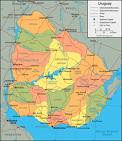
Uruguay (official full name in Spanish: República Oriental del Uruguay; pron. IPA: , Eastern Republic of Uruguay) is a country located in the southeastern part of South America. It is home to 3.46 million people, of which 1.7 million live in the capital Montevideo and its metropolitan area.

It is bordered by Brazil to the north, by Argentina across the bank of both the Uruguay River to the west and the estuary of Río de la Plata to the southwest, and the South Atlantic Ocean to the southeast. It is the second smallest independent country in South America, larger only than Suriname and the French overseas department of French Guiana.

Montevideo was founded by the Spanish in the early 18th century as a military stronghold. Uruguay won its independence in 1828 following a three-way struggle between Spain, Argentina and Brazil. It is a constitutional democracy, where the president fulfills the roles of both head of state and head of government.

The economy is largely based on agriculture (making up 10% of GDP and the most substantial export) and the state sector, and relies heavily on world trade. Consequently, it is affected by any change in global prices. However, Uruguay's economy is on the whole more stable than in its surrounding states, and it maintains a solid reputation with investors.

Climate

The climate in Uruguay is temperate: it has warm summers and cold winters.
The predominantly gently undulating landscape is also somewhat vulnerable to rapid changes from weather fronts. It receives the periodic influence of the polar air in winter, and tropical air from Brazil in summer. Without mountains in zone that act as a barrier, the air masses freely move by the territory, causing abrupt weather changes.

The coolest month is June, while the warmest is January. The rainfall is equally distributed throughout the year, but tends to be a bit more frequent in the autumn months. There can be frequent thunderstorms in the summer. Snow is not very common.
© More in the WIKIPEDIA !

:::::::::::::::::::::::::::::::::::::::::::::::::::::::::::::::::::::::::::::::::::::::::::::::::::::

Kigo in alphabetical order


Jacaranda tree


:::::::::::::::::::::::::::::::::::::::::::::::::::::::::::::::::::::::::::::::::::::::::::::::::::::

Topics in alphabetical order


:::::::::::::::::::::::::::::::::::::::::::::::::::::::::::::::::::::::::::::::::::::::::::::::::::::

Carlos Fleitas
© Millikin University / by Mahrya Fulfer

Carlos Fleitas was born in Uruguay, South America and still resides there in Montevideo, which is Uruguay's capital city. He writes haiku, prose, and essays in both Spanish and English.
This 51 year old writer, has a wife and a daughter that live with him. He attended school at Stella Maris College (Christian Brothers)-School and High School and obtained a University Degree in Psychology. from "Instituto de FilosofÌa Ciencias y Letras.” He is married and has one daughter.

Viento de Verano
Junto pètalos de rosa
y los dejo ir


In my way home
grapes ripen in the fields
a sip of wine


:::::::::::::::::::::::::::::::::::::::::::::::::::::::::::::::::::::::::::::::::::::::::::::::::::::

quoted from
Musicality in Haiku
Written in Spanish: a Platonism?


Rhyme

The use of rhyme is one of the major ways of bringing musicality to a haiku. The two standards are consonant and assonant rhyme. Consonant rhyme in Spanish happens when the last accented vowel of the verse, and all vowels and consonants that may follow it, are the same in all the rhymed words.

La playa sola
mecidas por las olas
las caracolas...


This fine haiku, written by Malena Imas (Uruguay, South America) is a clear example of consonant rhyme. The musicality here is brought, not only by means of the use of the consonance, but also as its rhyme merges with the content of the haiku; that is, the waves of the sea with its natural rhythm, and the landscape of a seashore in which the conches are gently rocked, as if it where a lullaby...

Internal rhyme (rima interior): the use of a word in the interior of a verse that rhymes with an other word of the verse.

en este camino
solo el monono trino
del teru-teru


© Carlos Fleitas, WHR

:::::::::::::::::::::::::::::::::::::::::::::::::::::::::::::::::::::::::::::::::::::::::::::::::::::


BACK TO
SOUTH AMERICAN SAIJIKI


Back to the Worldkigo Index
http://worldkigodatabase.blogspot.com/

:::::::::::::::::::::::::::::::::::::::::::::::::::::::::::::::::::::::::::::::::::::::::::::::::::::