Showing posts with label kigo. Show all posts

1/12/2013

Bumbershoot festival

[ . BACK to Worldkigo TOP . ]
:::::::::::::::::::::::::::::::::::::::::::::::::::::::::::::::::::::::::::::::::::::::::::::::::::::

NORTH AMERICAN SAIJIKI

:::::::::::::::::::::::::::::::::::::::::::::::::::::::::::::::::::::::::::::::::::::::::::::::::::::

Bumbershoot festival

***** Location: Seattle, Washington USA
***** Season: Autumn
***** Category: Humanity


*****************************
Explanation

Bumbershoot is an annual international music and arts festival held in Seattle, Washington.
One of North America's largest such festivals, it takes place every Labor Day weekend at the 74-acre (299,000 m²) Seattle Center, which was built for the 1962 World's Fair. Seattle Center includes indoor theaters, outdoor stages, McCaw Hall, and Memorial Stadium.
The name of the festival was taken from bumbershoot, a colloquial term for umbrella, probably coined in the 19th century a portmanteau of the words umbrella and parachute.


Bumbershoot began as a city-funded arts and music festival called "Mayor's Arts Festival", also known as "Festival '71", held at Seattle Center on August 13–15, 1971. This event had a total attendance of 125,000 visitors. Amidst the local economic depression triggered by the near collapse of Boeing, the festival attempted to revive local spirits, and was the largest event held in Seattle Center since the 1962 World's Fair. Talk radio host Irving Clark Jr. chaired the fair committee, and avant-garde impresario Anne Focke used one-fifth of that for light shows (which incorporated lasers, still something of a novelty at that time), computer graphics, enormous inflatable soft sculptures by the Land Truth Company, and an electronic jam session. Other events included dance, theater, folk music, arts and crafts, art cars, body painting, a Miss Hot Pants Contest, amateur motorcycle races, and one out-of-town performer: country singer Sheb Wooley.

In 1972, "Festival '72", held on July 21–23, took in 175,000 guests. In 1973 the festival adopted the present name "Bumbershoot", grew to five days, and pulled in 200,000 visitors. National acts included Cal Tjader, Joe Venuti, and John Handy. In 1974 it grew again, to 10 days and 325,000 visitors. The festival opened with a "Renaissance Processional" for the kilometer or so from downtown to the center; Mayor Wes Uhlman and most of the city council participated that year, in roles ranging from clowning to reading children's stories aloud to, in the mayor's case, running the Lost Child Center.


Another prominent Bumbershoot event from this era was the Bumbernationals Artists' Soapbox Derby, which continued into the early 1980s.[citation needed] 1975's 11-day festival was produced by Parks Department employee John Chambless, a former University of Washington professor of history and philosophy who had produced the 1968 Sky River Festival, a Pacific Northwest hippie-era festival.

© More in the WIKIPEDIA !


:::::::::::::::::::::::::::::::::::::::::::::::::::::::::::::::::::::::::::::::::::::::::::::::::::::


CLICK for more photos !


*****************************
Worldwide use


*****************************
Things found on the way


*****************************
HAIKU - ZAPPAI


an art stroll
with scents and songs on the wind -
bumbershoot


Shared by Elaine Andre


*****************************
Related words

***** . Labor Day, Labour Day - USA .


***** NORTH AMERICAN SAIJIKI PROJECTS

[ . BACK to WORLDKIGO . TOP . ]
::::::::::::::::::::::::::::::::::::::::::::::::::::::::::::::::::::::::::::::::::::::::::::::::::::: 

2/26/2011

Egg shells and Sanaa

[ . BACK to Worldkigo TOP . ]
:::::::::::::::::::::::::::::::::::::::::::::::::::::::::::::::::::::::::::::::::::::::::::::::::::::

YEMEN SAIJIKI

:::::::::::::::::::::::::::::::::::::::::::::::::::::::::::::::::::::::::::::::::::::::::::::::::::::

Egg shells

***** Location: Yemen
***** Season: Early spring
***** Category: Animal


*****************************
Explanation

Doves and other birds lay eggs and we can see the egg shells.


*****************************
Worldwide use


*****************************
Things found on the way


Unrest in Yemen 2011

For the past few days, anti-government protesters have been gaining momentum in the capital of Yemen: Sana’a. They were met by the pro-government squads, which lead to violent and bloody clashes.

It seems that the recent departure of Mubarak in Egypt has ignited a long simmering anger in this southern Arabian Peninsula country. Arabic people woke up to the fact that together they stand strong and that no Regime however repressive can resist public opposition. The old say: “Vox populi, Vox dei” is materializing before our very eyes. The Region’s consciousness has awakened from its long sleep and it wants to shape its future.

Yemen, like Egypt, suffers from chronicle poverty and unemployment. Corruption is as well running rampant, and many are disappointed in the President’s policies as it only rewards the rich and well connected.

source : hubpages.com


*****************************
HAIKU


Aden-Ma'alla, February 25, 2011
Yesterday in our district Ma'alla five people died. We stood away from the windows.


dove egg shells
in Aden's main streets
tear gas


Heike Gewi, Yemen

:::::::::::::::::::::::::::::::::::::::::::::::::::::::::::::::::::::::::::::::::::::::::::::::::::::


Day of Rage in Sanaa...
protesters wear white headbands
with "Leave" in red


Note:
Sanaa, the capital of Yemen, is one of the ancient Yemeni cities dating back to the Sabaean dynasty of the 6th century BC.

L3 is a message addressed to President Ali Abdullah Saleh

Chen-ou Liu
Canada


*****************************
Related words

***** . Egypt February 2011  

***** Bahrain, February 2011
***** Libya, February 2011


***** YEMEN SAIJIKI


[ . BACK to WORLDKIGO TOP . ]
::::::::::::::::::::::::::::::::::::::::::::::::::::::::::::::::::::::::::::::::::::::::::::::::::::: 

9/01/2010

Wattle - Tumbleweed

[ . BACK to Worldkigo TOP . ]

:::::::::::::::::::::::::::::::::::::::::::::::::::::::::::::::::::::::::::::::::::::::::::::::::::::

AUSTRALIAN SAIJIKI

:::::::::::::::::::::::::::::::::::::::::::::::::::::::::::::::::::::::::::::::::::::::::::::::::::::

Wattle in bloom

***** Location: Australia
***** Season: Various, see below

***** Category:

*****************************
Explanation


We have some differing voices from poets of Australia:


mid-north coast of New South Wales

Wattle arrives at the end of winter and is spring's herald.

Contributed by Violette Rose-Jones, March 2009


.................................................................................


and another voice

Wattle blooms year round,
even in the region your contributor cites; wattle is NOT a sign of spring.


.................................................................................

Wattles bloom in Victoria from mid to late Winter... July-August, usually.
They are the floral emblem for the State of Victoria.


:::::::::::::::::::::::::::::::::::::::::::::::::::::::::::::::::::::::::::::::::::::::::::::::::::


CLICK for more photos
Silver wattle (Acacia dealbata)


kigo for winter or spring ?


quote
Although the Australian bush does not experience the same seasonal extremes as Europe or America, it still shows some dramatic changes as winter approaches.

But among the grey there is an occasional burst of brilliant yellow that lights up the whole canopy. Thanks to the humble wattle tree, the winter landscape of the bush and of many Australian gardens glows with golden light, despite the cold weather. Up to a third of Australia's 960 species of wattle will flower in winter.
This winter blooming means that somewhere in Australia, no matter what time of year, a wattle is flowering, because they also flower in spring, summer and autumn.

Some of the best places to see wattle displays are in NSW and Victoria, particularly the Upper Hunter region of NSW, the Pilliga Scrub in northern NSW, and between East Gippsland in Victoria and the south coast of NSW.
They look spectacular with their massed yellow blooms brightening up the greenish-grey of the winter landscape.

The Acacia genus, which includes all the wattles, is the biggest group of trees and shrubs in Australia, topping even the eucalypts in diversity.

source : www.abc.net.au/science


:::::::::::::::::::::::::::::::::::::::::::::::::::::::::::::::::::::::::::::::::::::::::::::::::::::


kigo for spring

Click for more photos

National Wattle Day
First of September


Wattle Day's long and interesting history has been described in some detail by Maria Hitchcock in her delightful book simply entitled Wattle. Most of the following facts are sourced from Wattle, with permission from the author.

The first known use of wattle as a meaningful emblem in the Australian colonies dates back to the early days of Tasmania (1838), when the wearing of silver wattle sprigs was encouraged on the occasion of an anniversary celebration of the seventeenth century European discovery of the island.

Of course the original inhabitants of Australia had many uses for the wattle plant; the boomerang, for example, has created its own widespread meaning in the word itself and in its shape.

the formation in 1899 of a 'Wattle Club' in Victoria by Mr A. J. Campbell, . .

The first 'national' Wattle Day was celebrated in Sydney, Melbourne and Adelaide on the First of September 1910.

source : www.wattleday.asn.au


*****************************
Worldwide use

Japan

ゴールデン・ワトル
Golden Wattle (学名:Acacia pycnantha)

tumbleweed 転がり草 tengarigusa


:::::::::::::::::::::::::::::::::::::::::::::::::::::::::::::::::::::::::::::::::::::::::::::::::::::


North America

In North America we have tumbleweeds in August or September, which is late summer or early fall mainly in the Southern midwestern states such as Texas and Oklahoma.

As you know, when the Spanish discovered the Americas, they explored for more than just gold. They found many species of plant cultivated by the Native Americans that they took back to Europe (tomatoes, potatoes, squash, chocolate, tobacco and sunflowers for instance). Conversely, the New England settlers brought seeds with them, including many medicinal herbs that have now naturalized on these continents (soapwort, Queen Anne's lace, dandelion, clover).

Tumbleweed, now a ubiquitous icon of the American west, sneaked in by ship from Russia.

Thus are we all connected!

Linda Papanicolaou


.............................................................................


. Tumbleweed - Mongolia .


*****************************
Things found on the way


*****************************
HAIKU


wet day walk--
the pup's face yellow
with wattle pollen

wattle in bloom--
old mountain ash still furred
with moss


lorin of brunswick
WHCworldkigo


:::::::::::::::::::::::::::::::::::::::::::::::::::::::::::::::::::::::::::::::::::::::::::::::::::::


Wattle Day -
perchance I find you
on September first


Gabi Greve, September 1, 2010


*****************************
Related words


AUSTRALIAN SAIJIKI


[ . BACK to WORLDKIGO . TOP . ]
::::::::::::::::::::::::::::::::::::::::::::::::::::::::::::::::::::::::::::::::::::::::::::::::::::: 

3/17/2010

Redwing Turdus iliacus

[ . BACK to Worldkigo TOP . ]
:::::::::::::::::::::::::::::::::::::::::::::::::::::::::::::::::::::::::::::::::::::::::::::::::::::

Redwings mating

***** Location: North America
***** Season: Spring
***** Category: Animal


*****************************
Explanation

The Redwing (Turdus iliacus)
is a bird in the thrush family Turdidae, native to Europe and Asia, slightly smaller than the related Song Thrush.

CLICK for more photos

This species was first described by Linnaeus in his Systema naturae in 1758 under its current scientific name.

The English name derives from the bird's red underwing. It is not closely related to
the
Red-winged Blackbird, a North American species sometimes nicknamed "redwing", which is an icterid, not a thrush.
The binomial name derives from the Latin words Turdus, "thrush", and ile "flank".

The Redwing has two subspecies:

T. i. iliacus, the nominate subspecies described by Linnaeus, which breeds in mainland Eurasia.

T. i. coburni described by Richard Bowdler Sharpe in 1901, which breeds in Iceland and the Faroe Islands and winters from western Scotland and Ireland south to northern Spain. It is darker overall, and marginally larger than the nominate form.
© More in the WIKIPEDIA !


:::::::::::::::::::::::::::::::::::::::::::::::::::::::::::::::::::::::::::::::::::::::::::::::::::::


*****************************
Worldwide use


*****************************
Things found on the way


*****************************
HAIKU


orange contrails...
the trilling of redwings
in reeds


George Hawkins
Happy Haiku Forum


:::::::::::::::::::::::::::::::::::::::::::::::::::::::::::::::::::::::::::::::::::::::::::::::::::::


Father's Day --
a red-wing blackbird announces
availability


For those who live in the USA, this bird's courting habits sometime have the bright red shouldered blackbird perched on a marsh's cattail and throat expanded literally seems announcing his presents.

Chibi . Happy Haiku Forum
2008


:::::::::::::::::::::::::::::::::::::::::::::::::::::::::::::::::::::::::::::::::::::::::::::::::::::


photo - Alan D. Wilson, Wiki Commons


fog lifts
red-winged blackbirds
in a field of mustard


- Shared by Jimmy ThePeach
Joys of Japan, March 2012


*****************************
Related words

***** Bird Saijiki


. The North American Saijiki Project .

:::::::::::::::::::::::::::::::::::::::::::::::::::::::::::::::::::::::::::::::::::::::::::::::::::

10/26/2009

Monsoon Yemen

[ . BACK to TOP . ]

:::::::::::::::::::::::::::::::::::::::::::::::::::::::::::::::::::::::::::::::::::::::::::::::::::::

YEMEN SAIJIKI

:::::::::::::::::::::::::::::::::::::::::::::::::::::::::::::::::::::::::::::::::::::::::::::::::::::

Monsoon

***** Location: Yemen
***** Season: see below
***** Category: Heaven


*****************************
Explanation

Winds:
The major factors influencing winds is the atmospheric circulation.
In winter the dominant wind is the NE-monsoon,
in summer the SW-monsoon.

The winds in the Tihama (in the mountains it depends on the local topography), blow from october to april from SSE, in summer from NNW.

Especially during summer, when loads of dust are in the air, it is rather uncomfortable and many Tihamis suffer from infected eyes. Dust clouds are blown from the Tihama up to the Highlands, where they even form "clouds" in summer. In the Serrat the dominant factor is the passat, winds that blow according to temperature differences from the mountains to the plains, from the sea to the land, during daytime, the opposite direction during the night. Those winds do have a practical influence on the wellbeing of people (including field experts).
Generally the wind is changing direction in the evening between seven and nine p.m. - as long as there are no clouds. If there is no wind in Tihama during the night, the mosquitos make live a hell to the camper.
source: www.brainworker.ch !


NE-Monsoon
kigo for winter


SW-Monsoon
kigo for summer

kigo related to the SW-Monsoon in Yemen

dense clouds (July-August)
sea storming / storming sea or "upwelling"
runoff water


*****************************
Worldwide use


. MONSOON


*****************************
Things found on the way


*****************************
HAIKU


SW-monsoon,
God bless your magic!
All mosquitos gone.

~~~

storming sea
since a while
the only fish dried shark

~~~

ranking fishing boats
at the shore ...
a rough sea

~~~

runoff water -
the stones
move on

Heike Gewi, Yemen

:::::::::::::::::::::::::::::::::::::::::::::::::::::::::::::::::::::::::::::::::::::::::::::::::::::

NE-monsoon
pushes the moon higher
howling


Heike Gewi, Yemen


*****************************
Related words

***** Dust clouds


***** YEMEN SAIJIKI


:::::::::::::::::::::::::::::::::::::::::::::::::::::::::::::::::::::::::::::::::::::::::::::::::::

Back to the Worldkigo Index
http://worldkigodatabase.blogspot.com/

:::::::::::::::::::::::::::::::::::::::::::::::::::::::::::::::::::::::::::::::::::::::::::::::::::

5/18/2009

Acacia tree

[ . BACK to TOP . ]

:::::::::::::::::::::::::::::::::::::::::::::::::::::::::::::::::::::::::::::::::::::::::::::::::::::

YEMEN SAIJIKI

:::::::::::::::::::::::::::::::::::::::::::::::::::::::::::::::::::::::::::::::::::::::::::::::::::::
Acacia tree

***** Location: Yemen
***** Season: Summer
***** Category: Plant


*****************************
Explanation

CLICK for more photos
Schirmakazie (Acacia tortilis) umbrella thorn
Israeli babool


Schwarzdorn-Akazie (Acacia mellifera) blackthorn acacia
. . . CLICK here for Photos !
the leaves are a food for the goats.

Heike Gewi

:::::::::::::::::::::::::::::::::::::::::::::::::::::::::::::::::::::::::::::::::::::::::::::::::::::

quote
Acacia is a genus of shrubs and trees belonging to the subfamily Mimosoideae of the family Fabaceae, first described in Africa by the Swedish botanist Carolus Linnaeus in 1773. The plants tend to be thorny and pod-bearing. The name derives from (akis) which is Greek for a sharp point, due to the thorns in the type-species Acacia nilotica ("Nile Acacia") from Egypt.
Acacias are also known as thorntrees or wattles, including the yellow-fever acacia and umbrella acacias.

Acacia seeds are often used for food and a variety of other products.
Honey made by bees using the acacia flower as forage is considered a delicacy, appreciated for its mild flowery taste, soft running texture and glass-like appearance. Acacia honey is one of the few honeys which does not crystallize.

Various species of acacia yield gum. True gum arabic is the product of Acacia senegal, abundant in dry tropical West Africa from Senegal to northern Nigeria.

The most well known visitor to the Acacia is the known giraffe. Giraffes eat the most famous in Africa, the Acacia Tree. The Acacia tree is famous for its marvelous leaves.
© More in the WIKIPEDIA !


*****************************
Worldwide use

Australia

Acacia pycnantha, Golden Wattle
National flower of Australia
. . . CLICK here for Photos !


'National Wattle Day'
first of September
makes this a kigo for Australia
Its blossoms are seen toward the end of winter and it is felt as a harbinger of spring.


:::::::::::::::::::::::::::::::::::::::::::::::::::::::::::::::::::::::::::::::::::::::::::::::::::::


Japan

kigo for early summer

akashia no hana アカシアの花 (あかしあのはな)
acacia blossoms
flower of the locust tree

harienju 針槐(はりえんじゅ)false (black) acacia
nise akashia ニセアカシア false acacia
. . . CLICK here for Photos !

Akazienblüte

:::::::::::::::::::::::::::::::::::::::::::::::::::::::::::::::::::::::::::::::::::::::::::::::::::::


Kenya


January breeze --
an acacia leaf floating
in my tea


Patrick Wafula


Thorn tree, Naivasha Thorn, Fever Tree
Acacia xanthophloea (scientific),
mgunga (Swahili)
. KENYA SAIJIKI .


*****************************
Things found on the way


*****************************
HAIKU


sweetened shadow
of my new found umbrella ...
acacia bloom


blackthorn in bloom -
the goat and I stare
at the same tree

Heike Gewi, Yemen, May 2009

:::::::::::::::::::::::::::::::::::::::::::::::::::::::::::::::::::::::::::::::::::::::::::::::::::::


*****************************
Related words


***** YEMEN SAIJIKI


:::::::::::::::::::::::::::::::::::::::::::::::::::::::::::::::::::::::::::::::::::::::::::::::::::

Back to the Worldkigo Index
http://worldkigodatabase.blogspot.com/

3/27/2009

Paperbark tree

[ . BACK to TOP . ]

:::::::::::::::::::::::::::::::::::::::::::::::::::::::::::::::::::::::::::::::::::::::::::::::::::::
AUSTRALIAN SAIJIKI

:::::::::::::::::::::::::::::::::::::::::::::::::::::::::::::::::::::::::::::::::::::::::::::::::::::

Paperbark tree

***** Location: Australia
***** Season: Late Summer
***** Category: Plant


*****************************
Explanation

Paperbark tree, Melaleuca

CLICK for more photos

Melaleuca is a genus of plants in the myrtle family Myrtaceae. There are well over 200 recognized species, most of which are endemic to Australia.

The best-accepted common name for Melaleuca is simply melaleuca; however most of the larger species are also known as paperbarks, and the smaller types as honey myrtles.
They are also sometimes referred to as punk trees.

One well-known melaleuca, the Ti tree (aka tea tree), Melaleuca alternifolia, is notable for its essential oil which is both anti-fungal, and antibiotic, while safely usable for topical applications.
© More in the WIKIPEDIA !


*****************************
Worldwide use


*****************************
Things found on the way


Australian Lorikeets
topic for haiku

Rainbow Lorikeets (Trichoglossus haematodus)

CLICK for more photos
Lorikeets are around all the time, but become noisy and raucous and a neighbourhood menace when the paperbark blooms. Paperbark blooms now, pre-Autumn. The weather can still get to 29c but drop to 10c at night(its actually kind of chilly tonight).
Lorikeets are nectar feeder and the nectar tends to turn in the heat so they get drunk. They turn into party animals and make huge amounts of noise. I was comparing the birds to rush hour traffic. I was hearing both simultaneously and the birds were almost drowning it out. Coincidentally they also do insane aerial manoeuvres and it's not uncommon to nearly be hit in the head by a low flying bird who is, frankly, too drunk to fly! They always remind me of rowdy tourists in gaudy Hawaiian shirts because of their bright feather and general demeanour.

Violette Rose-Jones
March 2009


:::::::::::::::::::::::::::::::::::::::::::::::::::::::::::::::::::::::::::::::::::::::::::::::::::::
quote
The Rainbow Lorikeet, Trichoglossus haematodus
is a species of Australasian parrot found in Australia, eastern Indonesia, Papua New Guinea, New Caledonia, Solomon Islands and Vanuatu. In Australia, it is common along the eastern seaboard, from Queensland to South Australia and northwest Tasmania. Its habitat is rainforest, coastal bush and woodland areas.
© More in the WIKIPEDIA !

..........................................................................


at the window
a couple of shrieking lorikeets
comment on my apartment

a gang of cockatoos
glides down the tin roof -
high jinks!

flaying foxes cover
the full moon for a minute...
a clear sky again


Ben Daniel (Sidney, Australia)
-- from "Samobor Haiku Meeting, 2012.

source : Haiku Culture Magazine (fb)


*****************************
HAIKU


rowdy lorikeets
feeding in the paperbark
deafened by traffic


Violette Rose-Jones
Australia, March 2009


*****************************
Related words


. Australian Cockatoo .


:::::::::::::::::::::::::::::::::::::::::::::::::::::::::::::::::::::::::::::::::::::::::::::::::::::


AUSTRALIAN SAIJIKI


Back to the Worldkigo Index
http://worldkigodatabase.blogspot.com/

:::::::::::::::::::::::::::::::::::::::::::::::::::::::::::::::::::::::::::::::::::::::::::::::::::

Blue Triangle butterfly

[ . BACK to TOP . ]

:::::::::::::::::::::::::::::::::::::::::::::::::::::::::::::::::::::::::::::::::::::::::::::::::::::

AUSTRALIAN SAIJIKI

:::::::::::::::::::::::::::::::::::::::::::::::::::::::::::::::::::::::::::::::::::::::::::::::::::::

Blue Triangle butterfly

***** Location: East Coast of Australia
***** Season: Spring
***** Category: Animal


*****************************
Explanation

CLICK for more photos

Australia : Graphium sarpedon choredon

Graphium sarpedon, the common bluebottle, is a species of swallowtail butterfly found in South and Southeast Asia, as well as parts of Australia. There are approximately 15 subspecies with differing geographical distributions.

Habitat
Graphium sarpedon is primarily an inhabitant of moist, low-level rain forests (below 1600 m/5000 feet). In these elevations it is usually seen flying just above the tree canopy. The larvae of the common bluebottle feed on trees of the laurel family, which includes the cinnamon tree, and have expanded their range to include cinnamon tree plantations.
In eastern Australia,
they have adapted to a drier subtropical environment, and are commonly seen in suburban gardens in Queensland and New South Wales.

The males are known for their habit of feeding by the edges of puddles, often at the roadside. Occasionally, as many as eight will be seen at the same puddle. They have also been known to be attracted to animal droppings, carcasses and rotting insects.
© More in the WIKIPEDIA !


:::::::::::::::::::::::::::::::::::::::::::::::::::::::::::::::::::::::::::::::::::::::::::::::::::


In the East Coast, they seem to emerge as soon as it warms up in Spring and again as the warm weather finishes in pre-Autumn.
As KIGO, we will add them in SPRING, when they first appear in the year.


*****************************
Worldwide use

Butterfly (choo)Japan. Worldwide

Japanese name
aosuji ageha アオスジアゲハ(青条揚羽)


*****************************
Things found on the way


*****************************
HAIKU


a glance through thick lashes
blue triangle butterfly -
turquoise on velvet


Violette Rose-Jones, Australia, March 2009

*****************************
Related words

***** Butterfly (choo)Japan. Worldwide


:::::::::::::::::::::::::::::::::::::::::::::::::::::::::::::::::::::::::::::::::::::::::::::::::::::


AUSTRALIAN SAIJIKI


Back to the Worldkigo Index
http://worldkigodatabase.blogspot.com/

:::::::::::::::::::::::::::::::::::::::::::::::::::::::::::::::::::::::::::::::::::::::::::::::::::

10/28/2008

winter honey

[ . BACK to TOP . ]

:::::::::::::::::::::::::::::::::::::::::::::::::::::::::::::::::::::::::::::::::::::::::::::::::::::

YEMEN SAIJIKI

:::::::::::::::::::::::::::::::::::::::::::::::::::::::::::::::::::::::::::::::::::::::::::::::::::::

Winter honey

***** Location: Yemen
***** Season: Winter
***** Category: Humanity


*****************************
Explanation

From the ilb tree = Christ's Thorn
Zizyphus spina christi


"Christ's thorn is one of the most important nectar and pollen sources of Eritrea and Yemen. Honeybees forage on the abundant nectar and pollen and in dense stands the bees will produce a significant surplus of honey. In most cases the pollen and nectar of a single tree will strengthen colonies and significantly stimulate brood rearing."
source : www.beesfordevelopment.org


:::::::::::::::::::::::::::::::::::::::::::::::::::::::::::::::::::::::::::::::::::::::::::::::::::::


Traditional Beekeeping in Eastern Yemen
by Giovanni Canova


I. Since ancient times Yemen has been famous for the excellent quality of its honey. Erathostenes pointed out that Southern Arabia was a fertile land and possessed many ideal places for the production of honey. (2) The evidence that beekeeping was widespread in the wadis of eastern Yemen in the pre-Islamic period also seems to be supported by the presence of rock-paintings - possibly to be interpreted as swarms of wild bees. When the Tubba' Tibân As'ad Abû Karib went to Mecca, he covered the Ka'ba with a kiswa of fine Yemeni fabric, sacrificed animals which he distributed to the people and "gave them honey to drink". (3)


Rock painting from Dhofar (Oman) that possibly represents a swarm of bees.

Al-Hamdânî informs us that the slopes of Mount Hinwam, a territory inhabited by the Ahnûm (Hamdân), are "the richest in bees and honey among the lands of God, where a man can have fifty beehives (jibh) or more". (4) Unfortunately, no specific information about Yemeni honey is given by Yûsuf b. ‘Umar. (5) The almanacs of the Rasulid period, even without mentioning the bees, record the best days for collecting the various types of Yemeni honey.(6) According to the Egyptian historian al-Maqrîzî (d. 1441), the author of one of the few Arabic treatises on beekeeping, 'the whole of Yemen is a land of honey'. (7)

In the Yemen, bees are called nûb (sing. nûba). C. Landberg remarks that 'nûb is part of the Southern Arabia vocabulary, whereas nahl is seldom used'. (8) Yemeni bees are classified as Apis mellifera yemenitica. They are not aggressive and have a smaller body to the European Apis mellifera, displaying grey stripes on the abdominal segments. They are ideally suited to the Yemeni climate and, until a few years ago, were not subject to disease. The techniques of beekeeping and honey extraction have remained, substantially, the traditional ones, even if now modern methods and equipment are being introduced. (9)

H. Ingrams describes how the smarms were captured in Wadi Daw‘an: the beekeeper identifies and captures the queen, putting her in a small box built especially for the purpose; then he inserts her into a mat woven in cane rolled-up in the shape of a hive and closed at one end, such that the bees follow her. (10)

The most highly esteemed honey is that produced from the flowers of 'ilb (Ziziphus spina Christi, L. Willd.) and sumar (Acacia tortillis, Forsk. Hayne). (12) Connoisseurs are able to distinguish between a Yemeni honey and one imported from abroad, as well as recognizing its regional origin from the colour, aroma, and taste. The degree of the humidity and consequent viscosity are of great importance in the valuation of honey. A traditional test consists of letting a drop of honey fall into the dust. If it remains spherical, the honey is considered to be pure; if, on the other hand, it expands, it can be presumed either that the honey has been lengthened or that the bees have been fed with syrup.

MORE
source :  Giovanni Canova / University of Venice. 2001


*****************************
Worldwide use


*****************************
Things found on the way


*****************************
HAIKU


a queen and her sons
making it up to the thorns..
dark winter honey

~ ~ ~

buzzing bees leaving
their wooden hives softly
washed the winter sky

~ ~ ~

feeding his bride
with a pure heart..
winter honey and milk

Heike Gewi, Yemen, October 2008

:::::::::::::::::::::::::::::::::::::::::::::::::::::::::::::::::::::::::::::::::::::::::::::::::::::


*****************************
Related words

***** Bee (mitsubachi)

***** Honey (hachimitsu) worldwide. Honey wine, mead

***** Honey Spas   Russia. Also Apple Spas, Linen Spas. Honey Saviour.


***** YEMEN SAIJIKI


:::::::::::::::::::::::::::::::::::::::::::::::::::::::::::::::::::::::::::::::::::::::::::::::::::

Back to the Worldkigo Index
http://worldkigodatabase.blogspot.com/

6/11/2008

Independence Day

[ . BACK to TOP . ]

:::::::::::::::::::::::::::::::::::::::::::::::::::::::::::::::::::::::::::::::::::::::::::::::::::::

PHILIPPINES SAIJIKI

:::::::::::::::::::::::::::::::::::::::::::::::::::::::::::::::::::::::::::::::::::::::::::::::::::::

Independence Day

***** Location: Philippines
***** Season: Rainy Season
***** Category: Humanity


*****************************
Explanation

The Philippine Declaration of Independence occurred on June 12, 1898 in the Philippines, where Filipino revolutionary forces under General Emilio Aguinaldo (later to become the Philippines' first Republican President) proclaimed the sovereignty and independence of the Philippine Islands from the colonial rule of Spain after the latter was defeated at the Battle of Manila Bay during the Spanish-American War.
© More in the internet !

CLICK for more photos

:::::::::::::::::::::::::::::::::::::::::::::::::::::::::::::::::::::::::::::::::::::::::::::::::::::


*****************************
Worldwide use


*****************************
Things found on the way


*****************************
HAIKU


On the occasion of the 110th Philippine Independence Day on 12 June 2008, I greet every freedom-loving Filipinos:
"Mabuhay ang Pilipinas!!!"
This is our day...

Independence Day -
the feeling of pride when
a thousand flags fly

Independence Day -
the warm rays of the sun
that gladdens the heart

Independence Day -
the feeling of being one
with a proud crowd

the gentle wind blows
on brows that stand mighty proud -
Independence Day

Philippine flags sway
and the anthem proudly plays -
Independence Day


© Ao-Suzume / Wilfredo R. Bongcaron, June 2008
Kigo Hotline


*****************************
Related words

***** Independence Day WORLDWIDE


***** PHILIPPINES SAIJIKI

:::::::::::::::::::::::::::::::::::::::::::::::::::::::::::::::::::::::::::::::::::::::::::::::::::

Back to the Worldkigo Index
http://worldkigodatabase.blogspot.com/

:::::::::::::::::::::::::::::::::::::::::::::::::::::::::::::::::::::::::::::::::::::::::::::::::::::

6/10/2008

Swallowtail Butterfly

[ . BACK to TOP . ]

:::::::::::::::::::::::::::::::::::::::::::::::::::::::::::::::::::::::::::::::::::::::::::::::::::::

YEMEN SAIJIKI

:::::::::::::::::::::::::::::::::::::::::::::::::::::::::::::::::::::::::::::::::::::::::::::::::::::

Swallowtail

***** Location: Yemen, Japan
***** Season: Various, see below
***** Category: Animal


*****************************
Explanation

Yemen Swallowtail , Papilio alexanor
kigo for summer

common names: southern swallowtail
hostplant: great fennel
habitat: North Yemen
source : en.butterflycorner.net


CLICK for more photos


:::::::::::::::::::::::::::::::::::::::::::::::::::::::::::::::::::::::::::::::::::::::::::::::::::::


Swallowtail butterflies are large, colorful butterflies which form the family Papilionidae. There are at least 550 species, and though the majority are tropical, members of the family are found on all continents except Antarctica. The family includes the largest butterflies in the world, the birdwing butterflies of Australia (genus Ornithoptera).


Swallowtails differ from all other butterflies in a number of anatomical traits. Most notably, their caterpillars possess a unique organ behind their heads, called the osmeterium. Normally hidden, this forked structure can be everted when the caterpillar is threatened, and emits smelly secretions containing terpenes.
The adults are often tailed, giving the insect its name.
© More in the WIKIPEDIA !


*****************************
Worldwide use

Japan
kigo for all spring

swallowtail, agehachoo, 鳳蝶(あげはちょう)
アゲハチョウ
black swallowtail, kuro ageha 黒あげは(くろあげは)
crow swallowtail, karasu ageha 烏あげは(からすあげは)
long-tailed swallowtail, onaga ageha 尾長あげは(おながあげは)

musk swallowtail, jakoo ageha 麝香あげは(じゃこうあげは)
CLICK for more photos


黒揚羽武蔵総社の相撲かな
kuro ageha Musashi Sooja no sumoo kana

black swallowtail -
sumo wrestling at the shrine
in Musashino


Saitoo Kafuu 斉藤夏風 Saito Kafu


. 武蔵総社 - Shrine Musashino Soja .


*****************************
Things found on the way


*****************************
HAIKU


some leaves lost
the fennel...points at
a swallowtail


Heike Gewi, June 2008

:::::::::::::::::::::::::::::::::::::::::::::::::::::::::::::::::::::::::::::::::::::::::::::::::::::


heat spell
a swallowtail butterfly
amongst the alders


© Heather Madrone


*****************************
Related words

***** Butterfly (choo) Japan. Worldwide


***** YEMEN SAIJIKI


:::::::::::::::::::::::::::::::::::::::::::::::::::::::::::::::::::::::::::::::::::::::::::::::::::

Back to the Worldkigo Index
http://worldkigodatabase.blogspot.com/

5/30/2008

Bearded Iris (Iris albicans)

[ . BACK to TOP . ]

:::::::::::::::::::::::::::::::::::::::::::::::::::::::::::::::::::::::::::::::::::::::::::::::::::::

YEMEN SAIJIKI

:::::::::::::::::::::::::::::::::::::::::::::::::::::::::::::::::::::::::::::::::::::::::::::::::::::

Bearded Iris (Iris albicans)

***** Location: Yemen
***** Season: Summer
***** Category: Plant


*****************************
Explanation


CLICK for more !


Iris albicans, known as the white flag iris or the cemetery iris, has been cultivated since ancient times and may be the oldest iris in cultivation. Collected by Lange in 1860, it has been in cultivation since at least 1400 BC. Originating from Yemen and Saudi Arabia, it appears in a wall painting of the Botantical Garden of Tuthmosis III in the Temple of Amun at Karnak in ancient Thebes dated around 1426 BC.
It grows to 30-60 cm tall and is fragrant.
© More in the WIKIPEDIA !


*****************************
Worldwide use

Iris (ayame, shoobu, hanashoobu, airisu, kakitsubata) Japan


*****************************
Things found on the way


*****************************
HAIKU


I mention the rainbow
in front of
white iris

white end
passes the night outside
Iris

Heike Gewi, Yemen, May 2008

:::::::::::::::::::::::::::::::::::::::::::::::::::::::::::::::::::::::::::::::::::::::::::::::::::::


*****************************
Related words

***** Iris (ayame, shoobu, hanashoobu, airisu, kakitsubata) Japan


***** YEMEN SAIJIKI


:::::::::::::::::::::::::::::::::::::::::::::::::::::::::::::::::::::::::::::::::::::::::::::::::::

Back to the Worldkigo Index
http://worldkigodatabase.blogspot.com/

5/15/2008

Dune skiing

[ . BACK to TOP . ]

:::::::::::::::::::::::::::::::::::::::::::::::::::::::::::::::::::::::::::::::::::::::::::::::::::::

YEMEN SAIJIKI

:::::::::::::::::::::::::::::::::::::::::::::::::::::::::::::::::::::::::::::::::::::::::::::::::::::

Dune skiing, sand skiing

***** Location: Yemen
***** Season: Winter
***** Category: Humanity


*****************************
Explanation

Yemen has hundreds of miles of sand dunes. The highest dunes can be found in the desert around Marib and on the edge of the Empty Quarter. Yemeni Dreams can help you discover the joy of skiing or sand boarding in these remote areas.

Yemeni Dreams uses high- end equipment and its staff can instruct you in the art of sand skiing. Yemeni Dreams is the only tour operator in Yemen that offers sand skiing.

Sand skiing was brought to Yemen by Borut Zajc, a Slovenian Adventure Hunter, in 2006. Yemeni Dreams organized his tour and he in turn taught members of the Yemeni Dreams staff how to ski the dunes.
© www.yemeni-dreams.com

More photos
#1 http://www.yemeni-dreams.com/photo/showphoto.php?photo=661&cat=503
#2 http://www.yemeni-dreams.com/photo/showphoto.php?photo=680&cat=503


:::::::::::::::::::::::::::::::::::::::::::::::::::::::::::::::::::::::::::::::::::::::::::::::::::


desert horned viper (Cerastes cerastes)

CLICK for more photos

"Common names:
Saharan horned viper, Sahara horned viper, horned desert viper.
Cerastes cerastes is a venomous viper species native to the deserts of Northern Africa and parts of the Middle East. They are ore often easily recognized by the presence of a pair of supraocular horns, although hornless individuals do occur.
© More in the WIKIPEDIA !


*****************************
Worldwide use


*****************************
Things found on the way


*****************************
HAIKU


looking back
the path of a horned viper?..
dune surfing

Heike Gewi, Yemen, May 2008


*****************************
Related words

***** Desert


***** YEMEN SAIJIKI


:::::::::::::::::::::::::::::::::::::::::::::::::::::::::::::::::::::::::::::::::::::::::::::::::::

Back to the Worldkigo Index
http://worldkigodatabase.blogspot.com/

5/13/2008

Barangay Fiesta

[ . BACK to TOP . ]

:::::::::::::::::::::::::::::::::::::::::::::::::::::::::::::::::::::::::::::::::::::::::::::::::::::

PHILIPPINES SAIJIKI

:::::::::::::::::::::::::::::::::::::::::::::::::::::::::::::::::::::::::::::::::::::::::::::::::::::

Barangay Fiesta

***** Location: Philippines
***** Season: Summer (hot season)
***** Category: Humanity


*****************************
Explanation


Barangay Fiesta

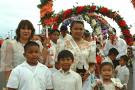
Barangay fiesta in the city of Manila, where there is an overall ambiance of merriment. In our place, we celebrate the fiesta, or our "fiesta day", every third Sunday of the month of May... so it is going to be this coming Sunday. And usually, the whole month of May is fiesta month. And there is Santacruzan too.

Wilfredo R. Bongcaron, Manila, May 2008

CLICK for more photos


Many different activities occur in the days or weeks leading up to the fiesta. These include beauty contests, discos, balls, church services, street parades and other entertainment.
© Jim Sibbick

:::::::::::::::::::::::::::::::::::::::::::::::::::::::::::::::::::::::::::::::::::::::::::::::::::::

The Santacruzan

In many places in the Philippines, during the month of May, many processions are held in honor of the Virgin Mary. Sometimes, one is reminded only that it is the month of May when one meets such a procession downtown or in a sidestreet of the city. That is the Santa Cruz de Mayo. Many versions of the procession have evolved through the years. And this makes it interesting to find out what it was really like inthe time of our grandfathers.

The Santacruzan was a novena procession commemorating St. Helena's mythical finding of the cross. St. Helena was the mother of Constantine the Great. According to legends, 300 years after the death of Christ, at the age of 75, she went to Calvary to conduct a search for the Cross. After some archeological diggings at the site of the Crucifixion, she unearthed three crosses. She tested each one by making a sick servant lie on all three. The cross where the servant recovered was identified as Christ's. St. Helena's feast day falls on August 8 but the anniversary of the finding of the Cross is on May 3rd, in the Philippines, this celebration took the form of the Mexican Santa Cruz de Mayo.

As another legend puts it, Constantine the Great, facing a battle against the Mighty Roman Emperor, Maxentius in the year 312 A.D. turned despairingly to the new Christian God for help. Constantine cast his eyes heavenwards and saw in the nightsky a glowing sign of the cross with the words "In hoc signia vincit", meaning "By this sign thou shalt conquer". He adopted the Cross as his battle insignia with the words and forthwith went to vanquish the Roman Army and entered Rome a victor, pledging his faith in Christianity.

Read more HERE
© By Eileen S. Guerero

CLICK for more photos

:::::::::::::::::::::::::::::::::::::::::::::::::::::::::::::::::::::::::::::::::::::::::::::::::::::


*****************************
Worldwide use


*****************************
Things found on the way


*****************************
HAIKU


fiesta day –
the display of street bands
coaxing for street dance

ropes block
the street entrance -
fiesta scenes commence


aiming for the flag
boys play the "palo sebo" -
strained necks all agog


"Palo sebo" is a game during fiesta where contestants take turn in climbing the top of a greased bamboo pole. The objective is to get the red flag at the top of the pole. The taker wins a fun prize.


greasy coconut -
boys hustle and jostle
prize at the end line

menfolks prepare -
the piglet is let loose
for the keeper

I stand for my turn
to take a solid crack -
pot is evasive

a piece of clay pot
hit me on the face
after the strike

sugar apple
melts in the mouth
anguish forgotten


© Wilfredo R. Bongcaron, 2008
Kigo Hotline


*****************************
Related words

Festivals in Japan


***** PHILIPPINES SAIJIKI

:::::::::::::::::::::::::::::::::::::::::::::::::::::::::::::::::::::::::::::::::::::::::::::::::::

Back to the Worldkigo Index
http://worldkigodatabase.blogspot.com/

:::::::::::::::::::::::::::::::::::::::::::::::::::::::::::::::::::::::::::::::::::::::::::::::::::::

5/10/2008

Straw hat (dholas)

[ . BACK to TOP . ]

:::::::::::::::::::::::::::::::::::::::::::::::::::::::::::::::::::::::::::::::::::::::::::::::::::::

YEMEN SAIJIKI

:::::::::::::::::::::::::::::::::::::::::::::::::::::::::::::::::::::::::::::::::::::::::::::::::::::

Straw hat (dholas)

***** Location: Yemen
***** Season: Summer
***** Category: Humanity


*****************************
Explanation


Straw hats and bamboo hats

quote:
"As spring turns to summer, and the days heat up, farmers in Yemen are taking to their fields. But Yemen’s sun can be fierce, and so to protect themselves, Yemenis have invented broad straw hats to provide shade from the sun’s harsh rays. "

The traditional Yemeni shade hats include the dhola, a tall, flat-topped hat woven from palm; the kofia, a short, circular hat woven from bamboo; and the Hadrami pyramid hat, a tall pointy hat woven from palm fronds. These hats fly off the shelves this time of year.


"They are expensive because they are made from the heart of the bamboo, he said. The bamboo hats are made in certain governorates like Hadhramout, Dmat in Ibb, Rada’a, al-Baidha, and are mostly found in Marib, he said. Add to that, making the hats is tiring, because the maker must take a big bundle of bamboo and take out the heart only, said al-Matari. Unlike the others, al-Matari has some Hadhrami pyramid hats, which are worn primarily in Hadhramout. “Those are only bought by the foreigners; there is a French lady who ordered them and I imported them from Seiyun to here,” he said. “Obviously, they like their appearance because it is uncommon,” he added half teasingly."
http://www.yobserver.com/news-varieties/10012048.html


Kofias
More about KOFIAS


*****************************
Worldwide use


*****************************
Things found on the way


*****************************
HAIKU


peasant digs around
in his chest..
"It's time, bamboo hat!"


moving
cackling like a hen..
straw hat

Heike Gewi, Yemen, May 2008

:::::::::::::::::::::::::::::::::::::::::::::::::::::::::::::::::::::::::::::::::::::::::::::::::::::


*****************************
Related words

***** Hat, Strawhat and more (kasa) Worldwide


***** YEMEN SAIJIKI


:::::::::::::::::::::::::::::::::::::::::::::::::::::::::::::::::::::::::::::::::::::::::::::::::::

Back to the Worldkigo Index
http://worldkigodatabase.blogspot.com/

4/10/2008

Birds of Yemen

[ . BACK to TOP . ]

:::::::::::::::::::::::::::::::::::::::::::::::::::::::::::::::::::::::::::::::::::::::::::::::::::::

YEMEN SAIJIKI

:::::::::::::::::::::::::::::::::::::::::::::::::::::::::::::::::::::::::::::::::::::::::::::::::::::

Birds of Yemen

***** Location: Yemen
***** Season: Various, see below
***** Category: Animal


*****************************
Explanation

Yemen is one of the richest countries in the Middle East as to birds. Across its lands are more than 370 different types of birds confined to the Arabian Peninsula, Yemen and other countries near it. In Socotra alone are 13 species of settling birds unmatched anywhere in the world.

Several birds unknown in the Arab and Islamic world come here in certain seasons to breed. Among them are African birds that come during Yemen’s spring rainy season to build their nests and raise their babies.

In winter, different types of birds come from the north, particularly Europe and Russia, to escape cold weather there. These birds spend the winter in Yemen’s mountains and coasts, where it’s easy to catch food and then return to their original locales to breed in spring.

Located in the southern Arabian Peninsula, Yemen has become a station through which thousands, and perhaps millions, of birds pass twice a year on their long journey between South Africa and Europe and Asia....

© Yemen Times, 2008


:::::::::::::::::::::::::::::::::::::::::::::::::::::::::::::::::::::::::::::::::::::::::::::::::::::
..................... SPRING

Amethyst Starling (Cinnyricinclus leucogaster)

CLICK for more amethyst starlings !beginning of spring -
the time when a number of truly beautiful birds crosses over from Africa to breed in Yemen.
The breeding season of birds on the Red Sea coast of Yemen commences in January/February, but more usually in March or April with the beginning of the short wet season .
(An der jemenitischen Rotmeerküste beginnt die Brutzeit der Vögel im Januar/Februar, meist aber im März/April mit Beginn der Kleinen Regenzeit.).

More Reference !


burning light
through my binoculars ..
first Amethyst Starling


Heike Gewi, Yemen, April 2008


:::::::::::::::::::::::::::::::::::::::::::::::::::::::::::::::::::::::::::::::::::::::::::::::::::


Bulbul mating and nesting season


:::::::::::::::::::::::::::::::::::::::::::::::::::::::::::::::::::::::::::::::::::::::::::::::::::::
..................... SUMMER

Green Pigeons

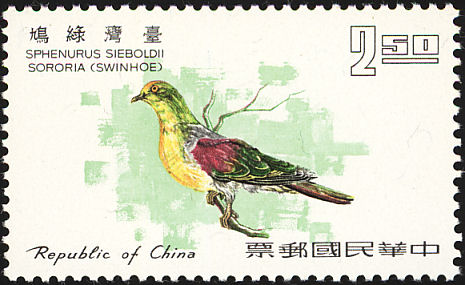
There are various types of green pigeons.
Check the WIKIPEDIA !


Look at some photo HERE !
African Green Pigeon [Treron calva]

Bruce's Green-Pigeon Treron waalia

White-bellied Pigeon Treron sieboldii


CLICK For more yellow vented photos Yellow-bellied Green Pigeon
Yellow-vented green pigeon
German: Waaliataube


These fruit eating birds have leaf-greenbacks with purple shoulders and dazzling yellow bellies. Almost all species have finished their reproductive cycle by the beginning of the summer monsoon.


make yourself at home!
green pigeon
checking a fig tree

~ ~ ~

purple scarf
crossing my mind -
green pigeon seen

~ ~ ~

one for me
one for you!..
green pigeon pecks at figs

Heike Gewi, Yemen, April 2008


:::::::::::::::::::::::::::::::::::::::::::::::::::::::::::::::::::::::::::::::::::::::::::::::::::


Palm Dove, laughing dove
(Streptopelia senegalensis)


CLICK for more photos

More Reference


monsoon rain
slowing to a drizzle..
sleepy palm dove


Heike Gewi, Yemen, April 2008


:::::::::::::::::::::::::::::::::::::::::::::::::::::::::::::::::::::::::::::::::::::::::::::::::::::
..................... AUTUMN


Bee-eater, little green bee-eater.
Merops orientalis

CLICK for more photos

They have a spring and autumn migration (they return to their African winter quarters).
As kigo, we use them for AUTUMN.

Habitat: Wadi Dahr, Tihama wadi's, Tihama Foothills and the rivers in between.

The little green bee-eater Merops orientalis ranges from Senegal eastwards to Vietnam, in various different forms or subspecies. The Arabian subspecies Merops orientalis cyanophrys is perhaps the most beautiful, with its bright cerulean blue chin and throat. This wonderful little bird is a widespread resident in Arabia.The little green bee-eater's habitat includes dry acacia areas and farmland. In Africa, flying ants are the most commonly reported food. Pairs breed singly and helpers have not been recorded.
source:
http://pr.sv.net/aw/2005/june/english/nature2.htm


The bee-eaters are a group of near passerine birds in the family Meropidae. Most species are found in Africa but others occur in southern Europe, Australia and New Guinea.
© More in the WIKIPEDIA !

: www.oiseaux.net: More photos


acacias' silence
on Jabal Samir's foot..
little green left

~ ~ ~

green swarms
in a breeze from north
empty twigs

~ ~ ~

wind blows
acacia leaves
over the mountain..
little green


Heike Gewi, Yemen, June 2008

:::::::::::::::::::::::::::::::::::::::::::::::::::::::::::::::::::::::::::::::::::::::::::::::::::


Larks of various kinds


:::::::::::::::::::::::::::::::::::::::::::::::::::::::::::::::::::::::::::::::::::::::::::::::::::::
..................... WINTER


Flamingo


*****************************
Things found on the way


*****************************
Related words


***** YEMEN SAIJIKI

***** BIRD SAIJIKI

:::::::::::::::::::::::::::::::::::::::::::::::::::::::::::::::::::::::::::::::::::::::::::::::::::

.. Heike Gewi


Back to the Worldkigo Index
http://worldkigodatabase.blogspot.com/

:::::::::::::::::::::::::::::::::::::::::::::::::::::::::::::::::::::::::::::::::::::::::::::::::::

4/08/2008

Flamingo

[ . BACK to TOP . ]

:::::::::::::::::::::::::::::::::::::::::::::::::::::::::::::::::::::::::::::::::::::::::::::::::::::

YEMEN SAIJIKI

:::::::::::::::::::::::::::::::::::::::::::::::::::::::::::::::::::::::::::::::::::::::::::::::::::::

Flamingo

***** Location: Yemen
***** Season: Winter
***** Category: Animal


*****************************
Explanation


Flamingos or Flamingoes are gregarious wading birds in the genus Phoenicopterus and family Phoenicopteridae. They are found in both the Western and Eastern Hemispheres, but are more numerous in the former. There are four species in the Americas while two exist in the Old World. Two species, the Andean and the James's Flamingo, are often placed in the genus Phoenicoparrus instead of Phoenicopterus.

Flamingos filter-feed on shellfish and algae. Their oddly-shaped beaks are specially adapted to separate mud and silt from the food they consume, and are uniquely used upside-down. There are 6 species worldwide and 2 species which occur in Yemen.

CLICK for more photos Greater Flamingo,
Phoenicopterus roseus


CLICK for more lesser flamingoLesser Flamingo,
Phoenicopterus minor


© More in the WIKIPEDIA !


On the flamingo trail


*****************************
Worldwide use


*****************************
Things found on the way


*****************************
HAIKU


silent sea --
one-legged flamingos
tell of noon"


Heike Gewi, Yemen, January 2008

:::::::::::::::::::::::::::::::::::::::::::::::::::::::::::::::::::::::::::::::::::::::::::::::::::::


pink sunset
through each flamingo's stance
another flamingo


© an'ya


:::::::::::::::::::::::::::::::::::::::::::::::::::::::::::::::::::::::::::::::::::::::::::::::::::::


a dazzling fire
lights up the whole fishpond-
flamingo


Vasile Moldovan

Read more flamingo haiku and look at the photo
© Photo Haiku Gallery


*****************************
Related words

***** Desert, sand desert

***** ***** BIRDS OF YEMEN - SAIJIKI


***** YEMEN SAIJIKI


**********************************


Back to the Worldkigo Index
http://worldkigodatabase.blogspot.com/